

Creating a Sensory-Friendly Home Environment on a Budget
A busy household can present sensory challenges for children with autism. The hum of an appliance, bright overhead lights, or certain furniture textures may cause discomfort that other family members barely notice. Parents often want to make their homes more comfortable but worry about the cost of specialized sensory equipment. Fortunately, many helpful adjustments require little money and only a few changes to everyday spaces.
Every child experiences sensory input differently, so the goal isn't to eliminate every sound or distraction. Instead, focus on understanding what your child enjoys and what causes discomfort. Small changes can help your child feel more comfortable while allowing your family to maintain familiar routines. You can start with items you already own and make adjustments as you understand your child's preferences.
Identify Your Child's Sensory Preferences
Before changing your home, observe how your child responds to different environments throughout the day. Some children avoid loud sounds, while others seek movement or enjoy touching textured objects. Your child might prefer dim lighting in the evening but enjoy bright sunlight during playtime. These observations help you identify which adjustments could make the greatest difference.
Pay attention to when your child appears uncomfortable and what happens immediately beforehand. For example, they might cover their ears when the dishwasher runs or leave a room when several people start talking. Notice which activities help them feel comfortable, too. Understanding these patterns allows you to prioritize changes without spending money on unnecessary products.
Create a Quiet Space With Items You Own
Children sometimes need a place where they can take a break from household activity. You don't need an entire room or expensive equipment to create this space. A quiet corner of the bedroom or living room can offer a comfortable retreat. Choose an area away from busy walkways where your child can relax without frequent interruptions.
Add familiar pillows, a soft blanket, or a favorite stuffed animal to make the space inviting. If your child enjoys enclosed spaces, consider placing a small play tent in the corner or arranging cushions around a comfortable spot. Let your child choose which items belong there. Make sure they can enter and leave freely, and avoid treating the space as a punishment.
Adjust Lighting Without Buying New Fixtures
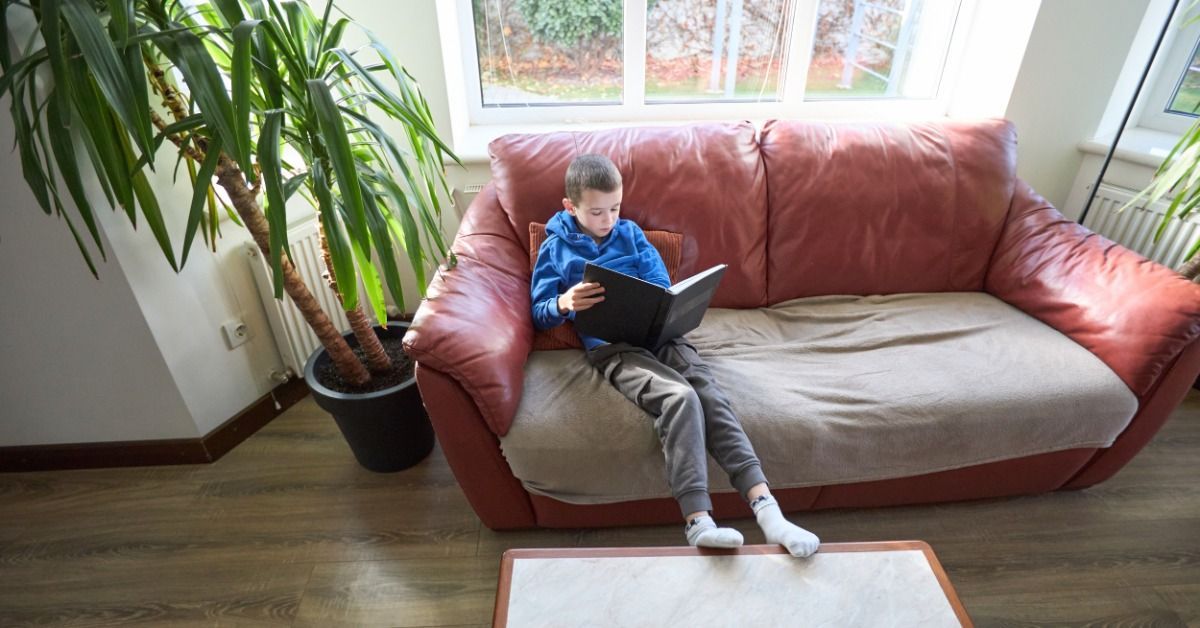
Bright overhead lights and glare can create discomfort for children with certain visual sensitivities. Rather than replacing fixtures throughout your home, experiment with the lighting you already have. Open curtains when your child enjoys natural light, or close them when sunlight becomes overwhelming. A table lamp may provide a gentler alternative to a bright ceiling fixture.
Creating a sensory-friendly home environment on a budget often starts with simple changes like these. You might move your child's favorite chair away from a window that produces afternoon glare. If you need additional lighting, consider an affordable lamp with adjustable brightness. Observe your child's reactions before making further changes, since some children prefer brighter environments.
Reduce Unnecessary Household Noise
Everyday household sounds can interfere with a child's comfort, especially when several noises occur simultaneously. Televisions, kitchen appliances, and conversations may create an environment that feels overwhelming.
You can reduce some of this noise without purchasing specialized soundproofing materials. Start by identifying which sounds bother your child most and when they occur. Try these affordable adjustments to manage noise throughout your home:
- Place rugs on hard floors to soften footsteps.
- Add felt pads beneath chairs to reduce scraping sounds.
- Turn off background television programs when nobody watches them.
- Close doors during noisy household activities.
- Give your child advance notice before using loud appliances.
These changes won't eliminate every sound, but they can make busy spaces more manageable. Some children also appreciate having a quiet room available during vacuuming or other noisy chores. Whenever possible, give your child choices about where they spend time.
Organize Spaces to Reduce Visual Clutter
A room filled with toys and household items may create too many visual distractions for some children. Simple organization can make it easier for your child to find belongings and focus on activities. You don't need matching storage containers or expensive shelving systems to improve the space. Start by sorting items into groups and removing things your family rarely uses.
Reuse cardboard boxes or containers you already own to organize toys. Add pictures or simple labels so your child can identify where each item belongs. Keep frequently used belongings within reach to encourage independence. If your child enjoys displaying collections, preserve a designated area for those interests rather than removing everything from sight.
Offer Affordable Sensory Activities
Sensory-friendly environments should also provide opportunities for children to enjoy sensory experiences they prefer. Some children seek tactile input through squeezing objects or exploring different materials. Others enjoy movement activities that help them feel comfortable and engaged.
You can support these interests with inexpensive household supplies. Consider offering the following activities based on your child's preferences:
- Homemade play dough: Encourage supervised exploration through squeezing and shaping.
- Texture baskets: Fill a container with safe fabrics that offer different tactile experiences.
- Pillow activities: Arrange cushions for climbing or pushing during supervised play.
- Water play: Provide cups and containers for pouring activities under adult supervision.
Choose activities that match your child's developmental abilities and avoid small objects that could present choking hazards. Some children dislike certain textures, so never require participation in an uncomfortable activity. Let your child explore at their own pace and stop whenever they want.

Make Bedrooms More Comfortable
Your child's bedroom offers another opportunity to create a sensory-friendly home environment on a budget . Scratchy bedding, distracting lights, or outside noise may interfere with their comfort at bedtime. Ask your child about their preferences when possible, or observe which materials they consistently choose. Familiar textures and predictable surroundings may help make bedtime more comfortable.
Try using bedding your child already enjoys rather than purchasing specialized products. Move distracting toys away from the sleeping area, and use curtains to reduce unwanted light. If outside noise creates difficulties, consider changing the bed's position within the room. Keep the bedtime routine consistent while allowing flexibility around your child's individual needs.
Connect Home Adjustments With Professional Support
Sometimes, sensory challenges affect your child's ability to participate in everyday routines despite thoughtful environmental changes. Professional guidance can help families understand how sensory preferences interact with communication and daily activities. Applied Behavior Analysis (ABA) therapy focuses on individualized skill development and behavioral support rather than directly treating sensory processing differences. Families exploring ABA therapy for kids can discuss how environmental adjustments might support their child's personalized goals.
A qualified occupational therapist can also help assess sensory-related difficulties and recommend appropriate strategies when necessary. Share observations about your child's reactions to household changes with the professionals who support them. Collaboration can help you identify practical accommodations that fit your family's resources. You don't need expensive equipment to begin making your home more comfortable.
Build a Comfortable Home With Personalized Support
Your home doesn't need costly renovations to better accommodate your child's sensory preferences. Paying attention to their reactions and making gradual adjustments can help you create spaces that support comfort and participation. Focus on changes that fit your family's routines and financial circumstances. Your child's preferences can guide each decision as their needs develop.
HANDS Center for Autism offers individualized ABA therapy and parent training to help families address everyday challenges and support their children's development. Our team can help you explore practical strategies that complement your efforts to create a supportive home environment. Contact HANDS Center for Autism to discuss your child's needs and how personalized guidance may support your family.