

Sensory-Friendly Potty Training for Children With Autism
A bathroom can be a surprisingly intense place for a child with autism. The flush may sound startling, or the seat may feel uncomfortable enough to make sitting difficult. Sensory-friendly potty training for children with autism starts by considering what the bathroom feels like from your child’s point of view. Reducing avoidable discomfort can give your child more room to focus on learning the routine.
Identify What Makes the Bathroom Uncomfortable
Before changing the potty-training routine, watch how your child responds in the bathroom. A child who covers their ears may be reacting to the flush or echoes, while a child who refuses to sit may dislike the seat itself. Those reactions can help you identify which part of the experience needs attention.
Your child may enter the bathroom easily but become distressed when it is time to sit. Another child may use the toilet comfortably at home yet avoid unfamiliar bathrooms. Also notice whether your child seems to recognize the need to go before an accident.
Common sensory triggers can include:
- A loud or unexpected toilet flush
- A cold or unstable toilet seat
- Bright or flickering lighting
- Strong soap or cleaning-product smells
- Echoes, hand dryers, or running water
Start with the trigger that seems to cause the most discomfort, then see whether a small adjustment makes bathroom visits easier.
Reduce Sensory Stress During Bathroom Visits
Once you know what bothers your child, make the space more manageable. If flushing is difficult, let your child step outside before you flush. You can help them get used to the sound gradually, outside of potty-training practice.
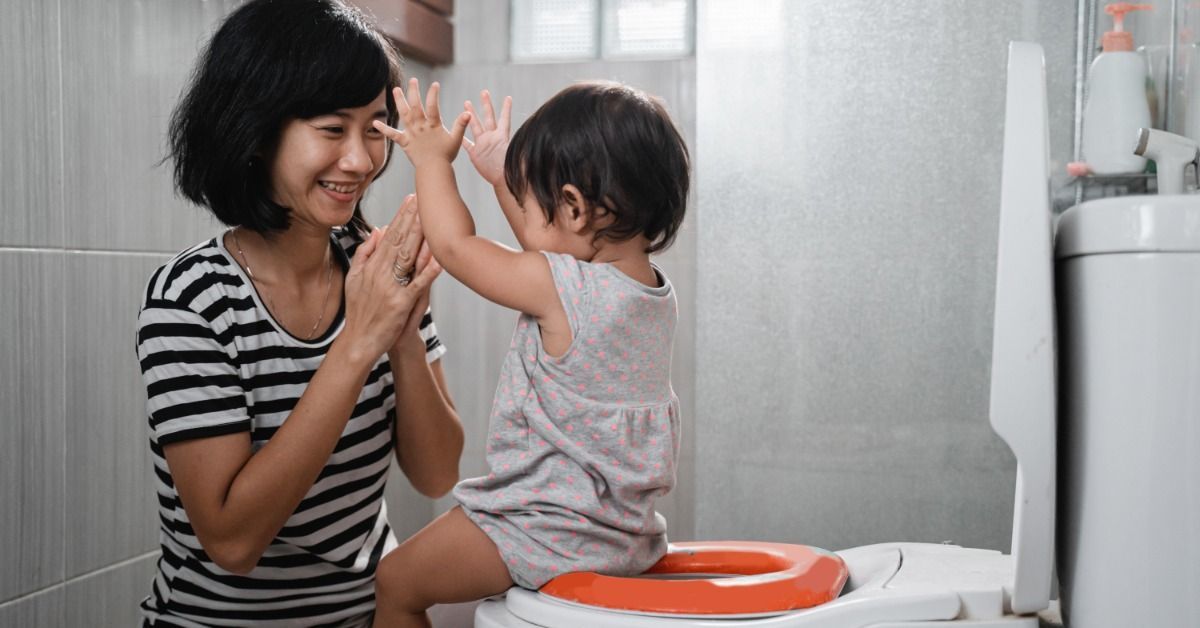
Physical comfort matters too. A seat reducer can make a large toilet feel more secure, and a sturdy footstool can keep your child’s feet supported. If the room feels too bright, softer lighting may help when practical and safe.
Smells and textures can create their own challenges. Unscented soap may reduce distractions, while trying a different toilet paper or clothing routine may make the process easier. Try small changes before overhauling the whole bathroom.
The goal is not to remove every sensation. It is to reduce barriers that make practice harder while gradually helping your child become more comfortable with the usual routine.
Build a Routine Your Child Can Anticipate
After the space feels more manageable, turn your attention to predictability. Connect practice to familiar points in the day instead of asking your child to use the bathroom at random times. Bathroom visits might fit naturally after waking or before leaving the house.
Keep the basic sequence similar each time. Consistent steps help your child understand what is expected without processing different instructions during every visit. Short, familiar language can make each step easier to follow.
A visual schedule can clarify the sequence. Pictures might show lowering clothing, sitting on the toilet, wiping, getting dressed, flushing, and washing hands. Use only the amount of detail your child needs.
A visual timer may help if sitting for an uncertain amount of time feels difficult. Start with a period your child can reasonably tolerate and give the routine a clear finish. Sitting on the toilet for a longer time is not automatically better if it increases avoidance.
Teach the Routine One Step at a Time
Successful toileting does not have to be the first goal. For a child who is uncomfortable in the bathroom, progress may begin with walking into the room calmly or sitting briefly with clothes on. Starting at a manageable point lets your child practice without facing the whole routine at once.
Applied Behavior Analysis (ABA) often uses task analysis, which means breaking a larger skill into smaller teachable steps. You can use the same idea by identifying what your child already manages and teaching the next step. As the routine becomes more familiar, gradually reduce the help you provide.
If your child is practicing sitting, recognize a successful sit rather than withholding praise because they did not use the toilet. Clear expectations keep practice focused on the skill your child is working on.
Progress with sensory-friendly potty training may not happen at the same pace every day. A difficult day after several successful ones does not mean the routine has failed. Your child may need more support after being sick, poor sleep, a schedule change, or an upsetting bathroom experience.
Respond to Accidents and Resistance Calmly
Accidents are part of learning for many children, and a strong emotional reaction can add stress. Keep the cleanup process calm and straightforward, then return to the usual plan. The focus should stay on teaching what to do next.
Positive reinforcement can help new steps become part of the routine. In simple terms, reinforcement means following a desired behavior with a response that makes the behavior more likely to happen again. Depending on your child, that may mean specific praise or brief access to something they enjoy.
Pay attention if resistance suddenly increases. A child who had been comfortable sitting and then starts avoiding the toilet may be communicating discomfort. Looking for the reason is more useful than assuming they no longer want to cooperate.
Physical discomfort can also interfere with potty training. If your child appears to be in pain or regularly holds in urine or bowel movements, talk with their pediatrician or another qualified medical professional.
Practice Skills Beyond One Familiar Bathroom
Once your child feels comfortable at home, other bathrooms may still be difficult. Public restrooms can bring louder toilets and unfamiliar layouts. Automatic flushing can make the experience feel even less predictable.
Prepare your child before expecting them to complete the whole routine in a new setting. You might begin by visiting the restroom without using it, then practice one familiar step on a later visit. Bringing the same visual support from home can make the space feel more recognizable.
Try not to rush this stage simply because toileting is going well at home. Using a skill in a different place is another part of learning. Gradual practice can build confidence without turning every outing into a potty-training test.

Keep Progress Moving at Your Child’s Pace
Potty training can ask a lot from a child who is managing uncomfortable sensations or unfamiliar routines. A sensory-friendly approach helps you look beyond refusal and ask what would make the next step more manageable. Small adjustments can create better opportunities for practice while keeping greater independence in view.
Progress may begin with entering the bathroom more calmly or following one additional step independently. Those changes matter because they give you something solid to build on.
If potty training continues to feel difficult, HANDS Center for Autism can help you identify where your child may need more support. We provide ABA training for parents in North Carolina, giving caregivers practical strategies they can use to make bathroom routines more consistent and manageable at home. Contact our team to talk about your child’s potty-training challenges and whether parent training may be a helpful next step for your family.