
Ways To Get More Involved in Your Child’s ABA Therapy
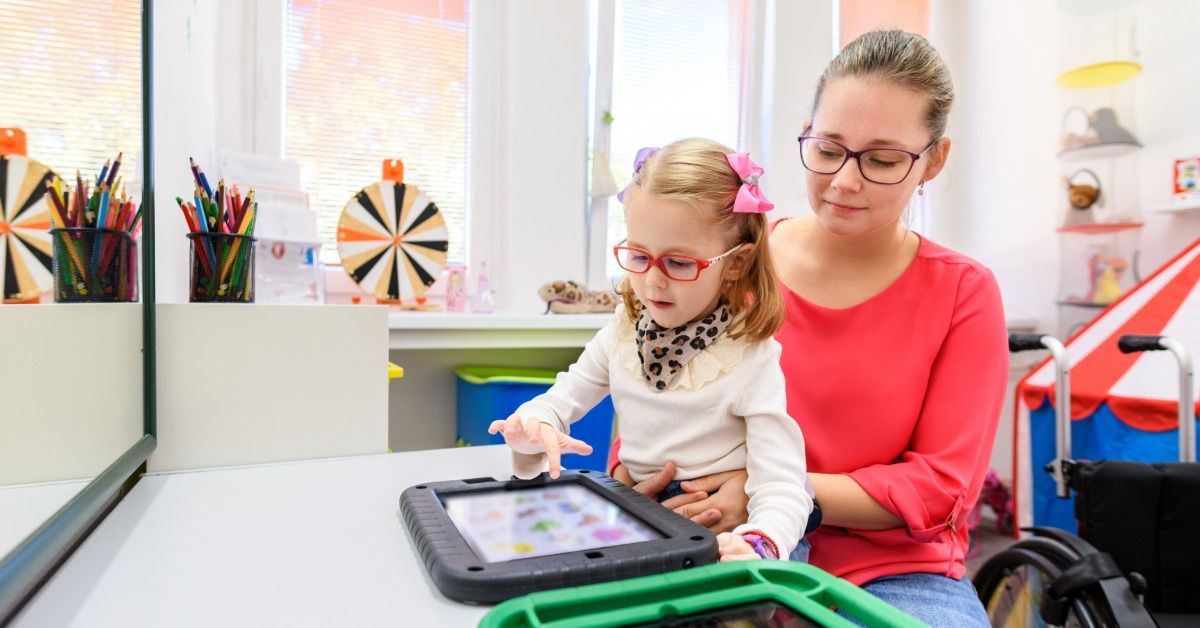
Participating in your child’s Applied Behavior Analysis (ABA) therapy can significantly affect their progress. You can help create a more consistent and supportive environment for your little one by taking an active role. Here are six ways to get more involved in your child’s ABA therapy journey.
Communicate Regularly With Your Child’s ABA Team
Your child’s ABA center should encourage parents to communicate with their team to establish relationships and involvement. Doing so can play a major role in your child’s experience. Schedule regular meetings to discuss your child’s progress, goals, and concerns. You can better support your child and make well-informed decisions about their therapy journey by staying updated and informed.
Attend ABA Training Sessions
Participating in ABA training sessions allows you to observe how your child’s therapist conducts each session. You’ll understand the principles and techniques and how to apply them at home. This hands-on experience can help reinforce the skills your child learns.
Learn and Implement ABA Techniques at Home
Implement ABA techniques consistently at home to enhance your child’s learning and progress. Ask your child’s therapist for guidance on specific strategies you can use outside of your child’s therapy sessions. Applying these techniques creates a comprehensive and supportive environment for your child’s growth and development.
Maintain a Consistent Routine and Structure
Children with autism often benefit from predictability and structure. Establish a daily routine for your child, including consistent mealtimes, bedtimes, and therapy sessions. Doing so helps your child feel more comfortable and secure, making engaging and learning easier. You can set up visual calendars and interactive schedule builders to help your child ease into the transition.
Collaborate With Other Professionals
Your child may work with other professionals outside of their ABA therapy team, such as teachers and speech or occupational therapists. Establish connections with these professionals to ensure a team approach and share valuable information about your child’s needs, progress, and goals.
Seek Support Groups and Resources
Connecting with other parents and caregivers involved in ABA therapy can provide valuable insight, emotional support, and resource-sharing. Look for local support groups or online forums where you can discuss your experiences, ask questions, and learn from one another.
Being actively involved in your child’s ABA therapy can impact their success and growth. Use these six tips to get more involved in your child’s ABA therapy and foster their development.
Consider contacting HANDS Center for Autism for guidance if you’re looking for ABA training for parents in North Carolina. Investing in your education and increasing your participation in your child’s ABA therapy empowers you to be an influential and effective advocate for their well-being and progress.