
Ways To Support Language Development in Autism
When your child knows what they want but has trouble expressing it, an everyday moment can quickly become frustrating. Communication develops differently for every child with autism, and spoken words are only one way to connect. Gestures, pictures, signs, and communication devices can also help children express their needs and share their ideas.
Finding practical ways to support language development starts with meeting your child where they are. By building communication into familiar activities, you can create meaningful opportunities to practice without turning every interaction into a lesson.
Follow Your Child’s Interests During Play
Children are often more willing to communicate when an activity already has their attention. Instead of choosing a toy because you think it will encourage language, start with something your child genuinely enjoys. Engage with them and look for moments to communicate naturally.
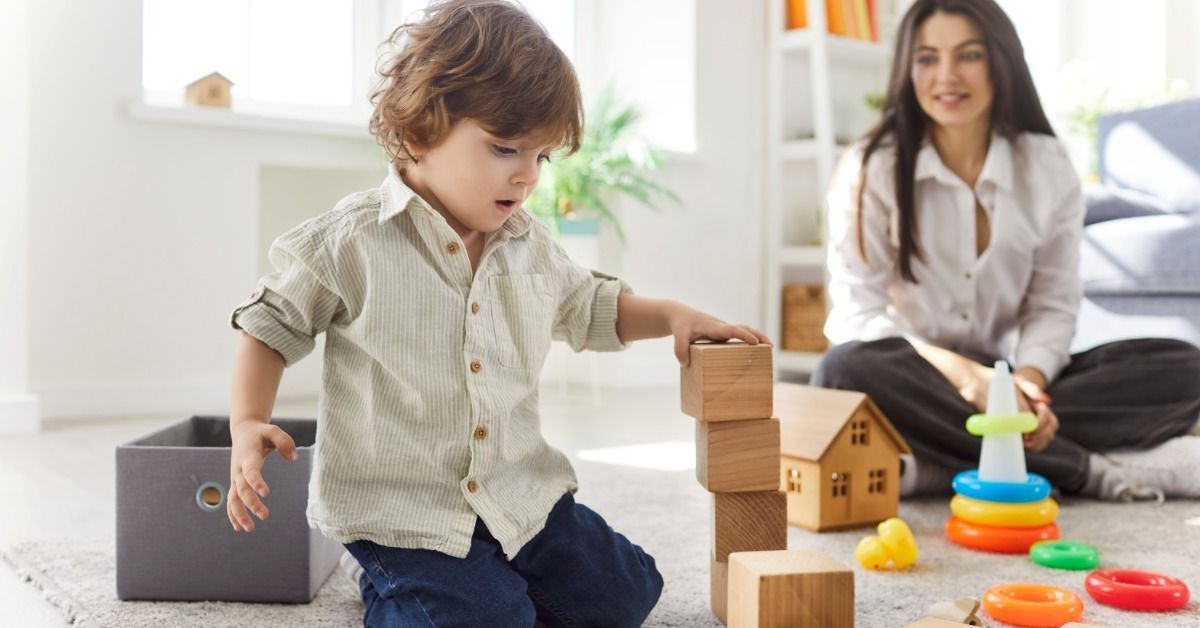
If your child loves toy cars, sit nearby and become part of the activity without taking it over. Roll a car toward them, pause before sending another one, and make a short comment about what is happening. Following your child’s lead keeps communication connected to something meaningful.
You can also create small reasons for your child to communicate. Pause during your child’s favorite part of an activity, then give your child time to show that they want you to continue. Their response may be a word, gesture, picture, or another form of communication.
Give Your Child Time To Respond
Silence can feel uncomfortable when you are eager to help your child communicate. You might repeat a question or offer another prompt before your child has finished processing the first one. Giving them a little more time can take pressure out of the interaction.
After asking a simple question or making a comment, pause and watch your child. They may respond with a word, a look, or a movement toward what they want. Waiting gives them a chance to take their own turn instead of having an adult fill the space.
Model Simple Language During Everyday Moments
Short language models can make words easier to connect with what is happening. Use language that is close to your child’s current communication level rather than asking them to repeat longer phrases.
If your child reaches for a ball, you might say “ball” as you hand it over. If they already say “ball,” you could model “red ball” or “roll ball.” This gives them a slightly more complex example without requiring them to copy you.
Look for easy opportunities to model communication throughout the day such as:
- Naming an object your child reaches toward
- Describing an action during a favorite game
- Adding a word to something your child already communicates
- Pairing a simple word with a gesture or visual
- Repeating a useful phrase during a familiar routine
These brief interactions let language practice fit naturally into family life.
Respond to Every Form of Communication
Communication is bigger than speech. A child may use gestures, pictures, signs, facial expressions, or a communication device to make their needs known. Treating these attempts as communication gives your child more ways to take part in interactions.
If your child points toward a cup, respond to the request rather than waiting for a spoken word. You can model a simple word such as “drink” as you hand them the cup. Your child learns that their current way of communicating works while still hearing useful language.
Some children may also use augmentative and alternative communication (AAC), which provides ways to communicate beyond speech. AAC can include picture-based systems or electronic devices. Families should work with qualified professionals when deciding which communication supports fit their child’s needs.
Create Communication Opportunities in Daily Routines
You do not need a special activity to practice communication. Familiar routines give your child repeated chances to express needs because they already understand what is happening.
Breakfast can offer a chance to choose between foods. Getting dressed might include selecting a shirt, while bedtime can provide an opportunity to choose a book. These small choices give communication an immediate purpose.
Keep the opportunities manageable rather than asking questions throughout every routine. Communication should feel like part of daily life, not a constant test. Some of the most practical ways to support language development for children with autism come from making room for communication during moments your family already shares.
Use Visual Supports To Make Language Clearer
Spoken language disappears as soon as you say it, but a visual stays available for your child to look at again. Pictures can make words or choices more concrete for children who benefit from seeing information.
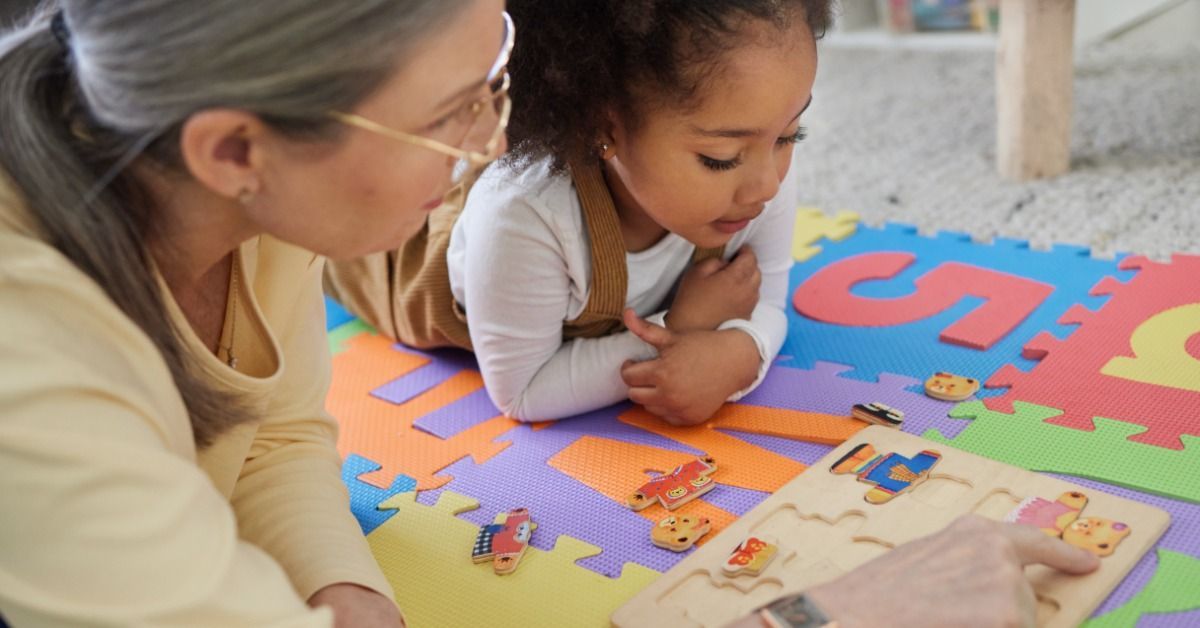
A choice board can show which options are available, while a visual schedule can connect familiar words with activities throughout the day. As you use a picture, say the related word so your child can begin connecting the visual with spoken language.
Build on What Your Child Already Communicates
Language development often happens one small step at a time. When your child already communicates something successfully, try adding a little more language rather than expecting a large jump.
If your child says “car,” you might respond with “blue car.” If they use a picture to request crackers, you can say a short phrase as you honor the request. These expansions let your child hear what the next step might sound like.
Keep expectations realistic and avoid withholding something your child needs because they did not communicate it in a particular way. Communication should help your child feel understood. Building from existing skills keeps the focus on connection while leaving room for growth.
Keep Communication Strategies Consistent Across Settings
Children have more opportunities to practice when useful communication strategies carry into different parts of their lives. Parents can share successful words, visuals, or prompts with caregivers and professionals who support the child.
Professional guidance may also help families identify appropriate communication goals and practice them at home. At a therapy center for autism, trained professionals can work with families on personalized strategies that reflect a child’s abilities and everyday needs.
Supporting Your Child’s Communication Journey
Language development does not need to follow one path or timeline. Every child is unique, and meaningful communication may include speech or other ways of sharing thoughts and needs. Small opportunities to connect throughout the day can give your child valuable practice while helping communication feel natural and meaningful.
If you want more support building those opportunities into everyday life, HANDS Center for Autism can help. Our individualized Applied Behavior Analysis (ABA) therapy and parent training give families practical strategies for supporting communication alongside other developmental goals. Contact our team today to talk through your child’s needs and what support may fit your family.