
A Guide to Different Play Skills Developed in ABA Therapy
Play gives children a natural way to explore the world and connect with others. For many children with autism, some types of play may develop differently or require more direct support. Understanding the different play skills developed in Applied Behavior Analysis (ABA) therapy can help parents recognize meaningful progress and encourage practice at home. With patient guidance, play can become a comfortable way to build skills and connect.
Building Foundational Play Skills
Before children begin pretend games or shared activities, they often need a strong foundation. Early play skills include exploring toys and copying simple actions.
Some children with autism may focus on one part of a toy, such as spinning a wheel instead of moving the whole car. A therapist can gently model another way to play while still respecting the child’s interests. Over time, the child gains more ways to interact with familiar objects.
Therapists may also work on imitation through simple actions. They might clap, stack one block, or tap a drum for the child to copy. Imitation helps children learn by watching others and gives them another skill to build on.
Encouraging Functional Play
Functional play means using an object in a way that matches its purpose. A child might roll a ball or place pieces into a puzzle. These activities help children understand how objects work.
During ABA therapy, the therapist may first demonstrate the action, then prompt the child to try it. A prompt could be a gesture or a short verbal reminder. The therapist gradually reduces that support as the child becomes more independent.
Common functional play activities include:
- Stacking blocks into a tower
- Rolling a toy vehicle across the floor
- Placing shapes into a sorter
- Feeding a stuffed animal with a toy spoon
- Completing a simple inset puzzle
Repetition can build familiarity without making play feel like a test. As the child grows more comfortable, the therapist can introduce a new toy or add another step to the activity.
Expanding Pretend Play
Pretend play asks children to use their imagination and flexible thinking. A block might become a phone, or a toy animal might go to sleep under a small blanket. Because these ideas can feel abstract, children may benefit from clear models.
Therapists often begin with routines the child already knows. They may model giving a doll a drink before adding another familiar action. Once the first step feels comfortable, the pretend routine can slowly grow.
Pretend play can also support language and emotional understanding. Acting out a doctor visit may help a child practice words they could hear during an appointment. Playing with figures can give children another way to explore feelings and everyday situations.
Strengthening Parallel and Associative Play
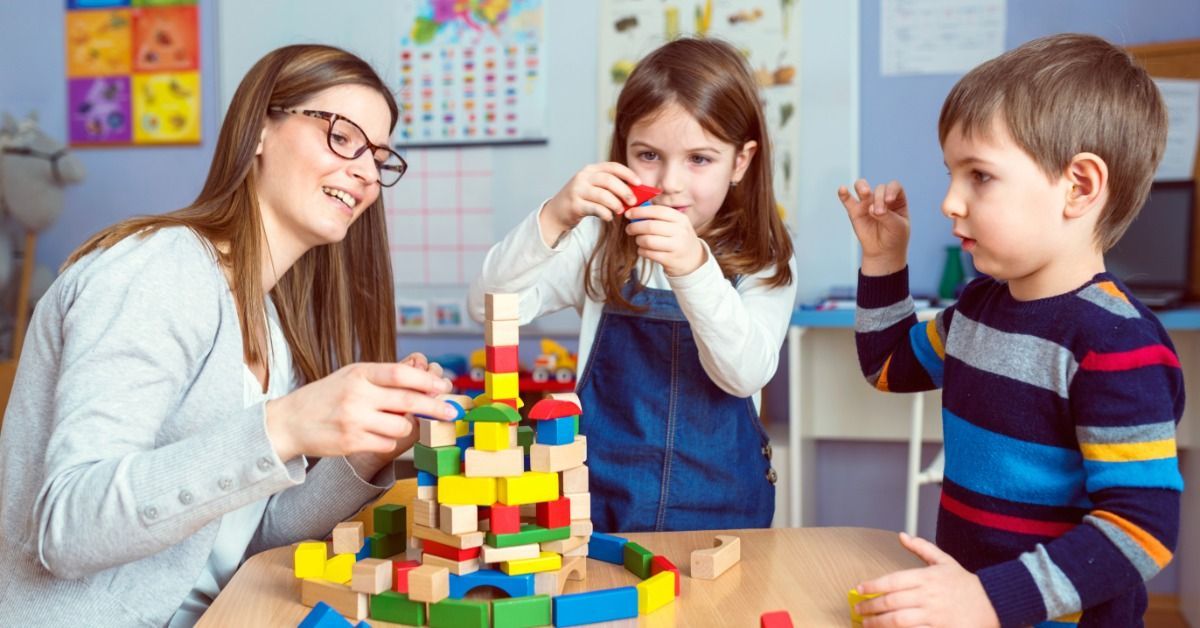
Children often move through several stages before they play cooperatively. Parallel play happens when children play near one another with similar materials but do not yet share the same activity. Associative play develops when they begin exchanging toys or briefly joining each other’s ideas.
A therapist may place two children at the same table with matching blocks or play dough. At first, the goal may simply be staying near a peer comfortably. Later, the therapist may encourage one child to pass an item.
These early social experiences create chances for connection without placing too much pressure on the child. They can help children feel more at ease around peers before they begin participating in group play.
Developing Cooperative Play
Cooperative play involves working with another person toward a shared goal. Children may build one structure together or complete a game. This kind of play calls for both communication and flexibility.
Therapists break cooperative activities into manageable steps. One child might add a block, then wait while another child takes a turn. The therapist can encourage participation and help the children respond to each other.
Not every child will be ready for the same level of group play. One child may begin with a single short turn, while another stays involved longer. Personalized pacing keeps the experience supportive and helps prevent unnecessary frustration.
Improving Communication Through Play
Play gives children meaningful reasons to communicate with others. During an activity, a child might ask for a toy, request help, or respond to someone joining in. They may communicate through speech, gestures, or another system that works for them.
Therapists often pause during a motivating activity to give the child a chance to initiate. For example, they might hold the bubbles and wait for a request before blowing more. That brief pause creates an opportunity without turning the interaction into a demand.
Parents can use the same approach at home by joining an activity their child already enjoys. Follow the child’s lead, then add one small chance to request or respond. These simple exchanges can make communication feel more natural and rewarding.
Supporting Flexibility and Emotional Regulation
Play includes waiting, changes, and occasional disappointment. These moments provide a safe place to practice coping skills.
A therapist may change one part of a familiar game or ask the child to wait briefly for a preferred item. If frustration builds, the child can practice a calming strategy with support. The focus stays on teaching what to do rather than punishing a difficult reaction.
Helpful practice may include:
- Waiting for a short turn
- Trying again after a mistake
- Accepting a different game piece
- Using a break request
- Finishing a brief shared activity
Progress may begin with only a few seconds of waiting. Small steps can make a meaningful difference when practice remains predictable and encouraging.
Bringing Play Skills Into Daily Life
Skills are most useful when children can use them outside therapy. Families can support that process during familiar routines at home.
A favorite activity can change as the child grows. Parents might add one new step or invite a sibling to join. Practicing in another room can also help the child use the same skill in a slightly different setting.
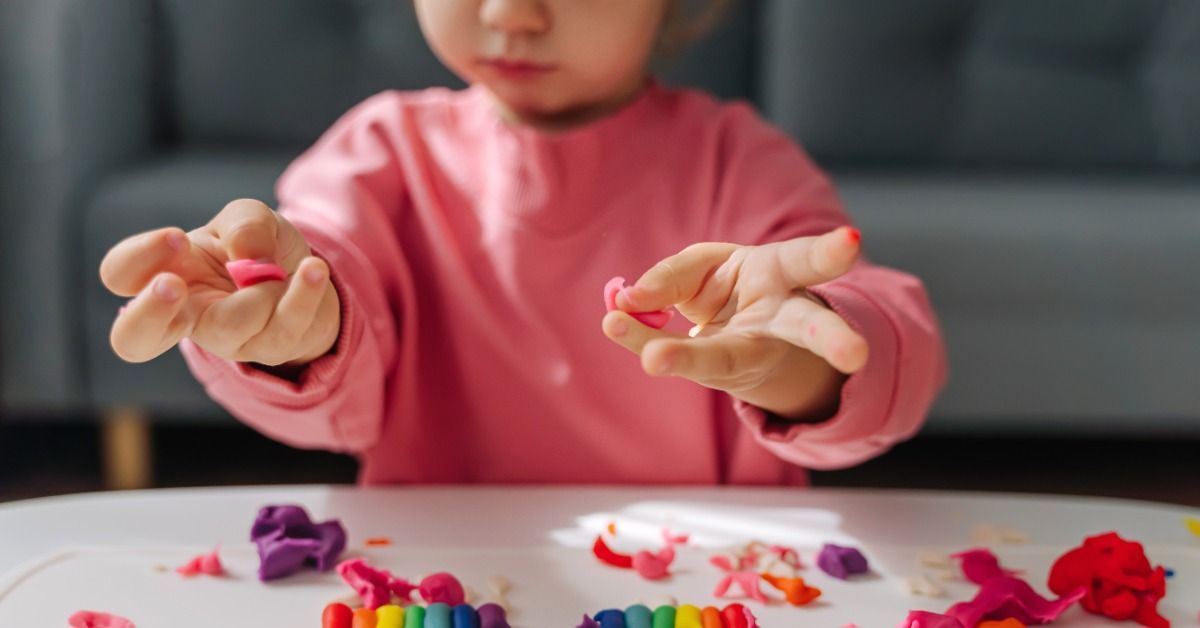
Parents do not need special materials to encourage play. A cardboard box can become a car, while a blanket can become a tent. The best activity is often one that fits the child’s interests and comfort level.
If you are comparing applied behavior analysis clinics, ask how therapists involve families and help children practice skills across settings. Consistent communication can help families choose realistic goals and understand how progress is being supported.
Helping Your Child Grow Through Play
A closer look at the play skills developed in ABA therapy shows how much learning can happen through enjoyable, everyday activities. Each type of play gives children another way to explore and connect. Remember that every child is unique, so progress may come in small steps and follow its own timeline.
HANDS Center for Autism offers individualized ABA therapy and parent support for families seeking practical guidance. Our team can help identify play goals that fit your child’s needs and show you ways to support those skills at home. You’re not alone in this, and the right support can help play become a meaningful part of your child’s growth.