

Water Safety Tips To Consider for Children With Autism
Water can be exciting and fun for many children. It can also bring safety concerns, especially when a child with autism feels drawn to pools, ponds, bathtubs, beaches, or fountains. Reviewing water safety tips to consider for children with autism can help parents feel more prepared before daily routines or outings.
Every child is unique. Some children seek water because it feels soothing, while others may not understand danger or boundaries near water. With support and practical strategies, families can build safer habits one small step at a time.
How To Build Water Safety Into Daily Routines
Water safety works best when it is incorporated into your child’s regular schedule. Instead of saving reminders for pool days only, talk about water rules during bath time and walks near ponds. Repetition helps your child hear the same message often.
Use short, clear phrases your child can remember. You might say, “Stop when you’re near the water” or “Hold my hand.” Consistent wording helps your child connect the rules to the situation.
Visual supports can also help. A simple picture card that shows what to do when they approach water can make the rule easier to understand. Practice these cues when your child is calm, so they have a better chance of remembering it when they might feel more excited or overwhelmed.

How To Set Clear Boundaries Around Water
Children with autism may need boundaries they can see, touch, and practice. Saying “Don’t go near the pool” may feel too abstract. Showing your child where to stand makes the expectation clearer.
Use visible markers when possible. A fence, gate, towel line, or sidewalk edge can show where your child should stop. Practice walking to the boundary, stopping, and waiting for an adult.
You can also create a simple safety sequence:
- Stop at the boundary.
- Look for an adult.
- Hold an adult’s hand.
- Wait for permission.
- Enter the water together.
The goal is not to make water feel scary. It is to show that water requires adult support every time.
How To Prepare Before Pool Days and Outings
Preparation can lower stress before your family heads near water. Explain where you are going and what your child will do there. Then review the water rules that will stay the same.
Pack comfort items ahead of time. Depending on your child’s needs, this may include sunscreen, towels, a favorite fidget, and noise-reducing headphones. Familiar items can prevent bigger struggles.
When you arrive, walk the area together. Point out the bathroom and seating area. Show your child where to wait if they need a break.
How To Support Sensory Needs Near Water
Water settings can be full of sensory input. Bright sunlight and loud splashing may affect how your child feels and behaves. Watching for discomfort can help you respond before your child becomes overwhelmed.
Some children love the pressure and movement of water. Others may panic when water touches their face or ears. Neither response is wrong; each gives you useful information.
Start small when possible. Let your child sit near the water or touch it before joining in. Build in breaks with a shaded spot, dry towel, or calm snack, so your child has a predictable way to pause.
How To Teach Safety Skills Step by Step
Water safety skills take practice. Some children need many repetitions before a rule becomes familiar. Stay patient and focus on one skill at a time.
Start with the most important safety behaviors. These may include stopping at the edge of water, responding to their name, holding an adult’s hand, and waiting before entering. Practice each skill in short sessions.
Role-playing can make the lesson feel more familiar. You might practice walking near a pretend pool edge at home, stopping at a blue towel, and waiting for your cue. At a real pool, that routine may feel more familiar.
Praise the exact behavior you want to see again. Rather than offering general praise, name the specific action your child just completed, such as stopping safely at the pool gate before moving closer to the water. Specific praise helps your child understand what they did well and makes the safety skill easier to repeat.
How To Strengthen Adult Supervision and Safety Planning
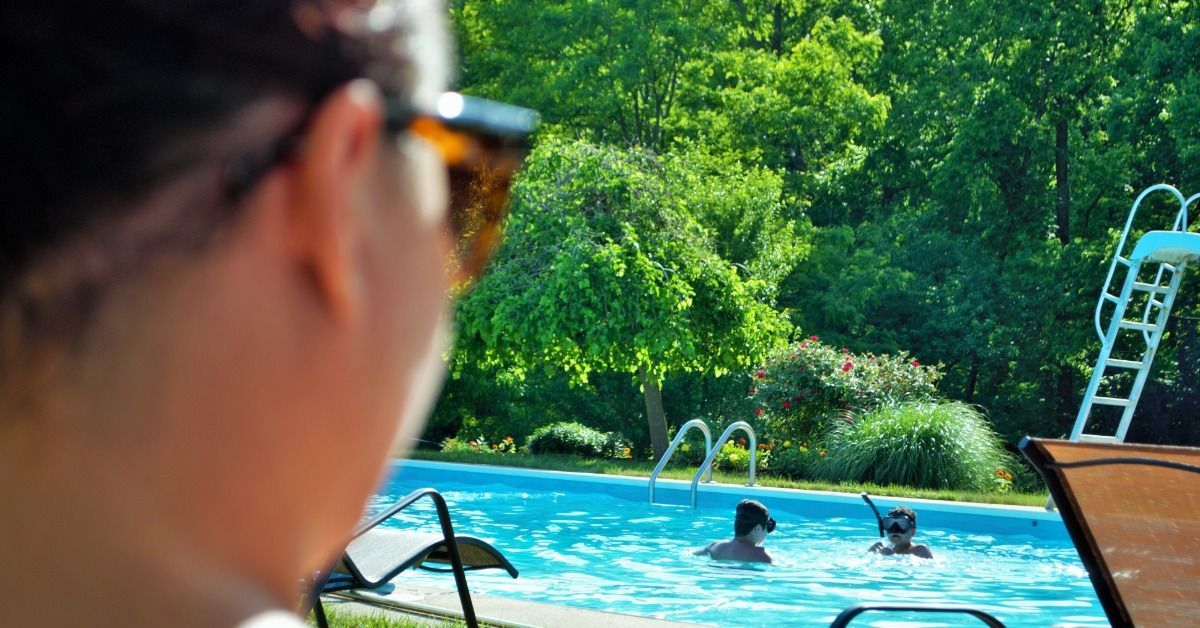
Adult supervision is central to water safety. When several adults are nearby, everyone may assume someone else is watching. Assigning one person as the active water watcher can prevent confusion.
The water watcher should stay focused on the child any time water is nearby. Phones and side conversations can pull attention away quickly. Switching adults at planned times can help everyone stay alert.
Make a simple safety plan before gatherings. Decide who watches your child and which doors or gates must stay closed. Review what adults should do if your child moves toward the water.
If your child is strongly drawn to water, consider extra protection at home. Door alarms and locked gates can support a safer environment. Pool fences may also help when they are appropriate for your home.
How To Partner With Professionals for Extra Guidance
You do not have to figure out every safety skill alone. If water safety feels stressful, professional support can help your family build a fitting plan. A provider at a center for autism spectrum treatment can help identify what your child understands and which strategies can support safer routines.
Enrolling your child in swimming lessons with a professional instructor is another valuable step. Trained instructors can teach water comfort and safety skills in a structured setting, which often builds confidence faster than practice alone. Formal lessons also give parents greater peace of mind, knowing their child is developing real swimming ability alongside the safety habits practiced at home.
Applied Behavior Analysis (ABA) therapy can break safety skills into smaller steps. A therapist may help a child practice stopping, waiting, responding to directions, or tolerating safety gear. These skills can then be reinforced in daily life.
Parent training can be valuable, too. When caregivers use the same language, cues, and expectations, children receive a clearer message. Consistency across settings can support steady progress.
Many families find that safety planning feels less overwhelming when they have guidance. With a personalized approach, your child can practice skills while still enjoying positive water experiences.
How To Keep Water Safety Supportive Over Time
Water safety is not a one-time conversation. Children grow, routines change, and new environments bring new challenges. Returning to these water safety tips for children with autism throughout the year helps keep expectations fresh.
Keep practicing during calm moments. Review rules before outings and celebrate small wins. Even a brief pause at a pool gate or a successful handhold near a pond is progress. As your child builds confidence, adjust the plan carefully.
If your family wants help creating a safer plan around water, HANDS Center for Autism is here to support you. Our team offers individualized ABA therapy and parent guidance for daily life. You’re not alone in this, and with the right support, your child can build safety skills that help your family feel more confident near water.