
Benefits of Group Learning for Children With Autism
Watching your child learn alongside others can bring both hope and hesitation. You may wonder how they will handle social expectations, transitions, or sharing attention with peers. When children receive structured and thoughtful support, families begin to notice the benefits of group learning for children with autism. In the right setting, group learning can strengthen communication, build confidence, and support everyday skills that extend well beyond therapy sessions.
Group learning does not replace individualized care. Instead, it works alongside one-on-one support, giving children safe opportunities to practice social and adaptive skills with peers in meaningful ways.
Builds Social Communication Skills
Children with autism often benefit from clear, direct instruction in social communication. In a group setting, they can practice greeting others, taking turns, and responding to simple questions in real time. These everyday moments become powerful learning opportunities when guided by trained professionals.
Rather than practicing skills in isolation, children experience them as they naturally unfold. They begin to notice facial expressions, tone of voice, and body language within structured activities. Over time, repeated exposure can help social interactions feel more predictable and less overwhelming.
Even short exchanges, such as answering a peer’s question or sharing an idea during circle time, help build comfort. With consistent encouragement, communication starts to feel less like a task and more like connection.
Encourages Peer Modeling and Imitation
Children learn a great deal by watching other children. In supportive group environments, peers model language, play skills, and problem-solving strategies in ways that feel natural. Seeing another child complete a task often makes it feel possible.
Imitation is a foundational developmental skill. When children copy peers during art projects, games, or routines, they strengthen attention and flexibility. These shared experiences create small but meaningful steps forward.
Peer modeling also helps reduce feelings of being different. When children see others practicing similar skills, participation often feels safer. Many families find that this sense of belonging encourages their child to try new things.
Supports Emotional Regulation in Real Time
Social settings can bring up big emotions. Group learning provides structured opportunities to practice coping skills while support is close by. When frustration or disappointment surfaces, professionals can guide children through calming strategies in the moment.
If a child feels upset about waiting their turn, a therapist might prompt deep breathing or point to a visual reminder. Practicing these tools during real interactions makes them more likely to stick. Children begin to understand how to manage emotions outside of one-on-one sessions.
Over time, manageable challenges build resilience. Small successes add up and help children feel more confident navigating group environments.
Strengthens Turn-Taking and Cooperative Play
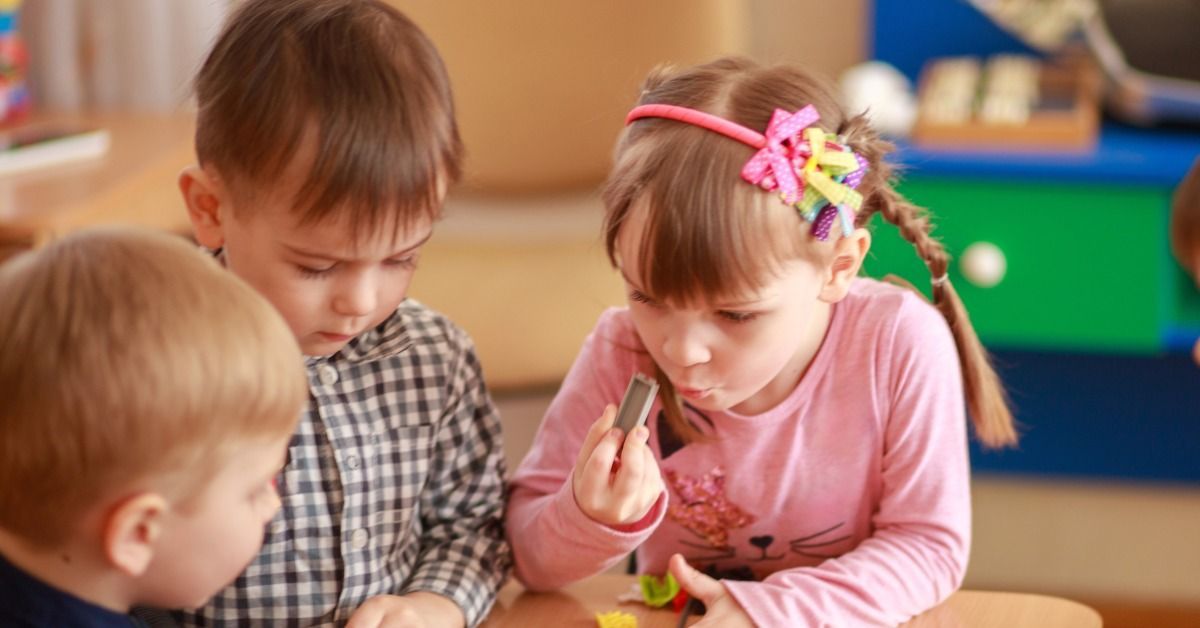
Turn-taking and shared play are essential for friendships. Group learning offers steady practice through guided games and collaborative activities. Children learn how to participate alongside others without feeling unsure of what to do next.
Professionals often break cooperative tasks into simple steps:
- Wait for a turn.
- Ask for a toy appropriately.
- Share materials during a project.
- Respond when a peer speaks.
- Follow group directions.
Each step is reinforced with encouragement and clear feedback. With repetition, expectations become familiar. Gradually, cooperative play can shift from stressful to enjoyable.
Promotes Generalization of Skills
One of the most important goals in autism support is generalization—using skills across different settings and with different people. Group learning naturally supports this growth. Children practice communication and behavior strategies with multiple peers, not just one adult.
For example, a child who learns to request help in individual sessions can practice that same skill during a group activity. Applying skills in varied situations strengthens independence and flexibility. These experiences help prepare children for school, community programs, and family gatherings.
Many families choose services at an ABA therapy center to support this kind of progress. Applied Behavior Analysis (ABA) focuses on teaching and reinforcing skills in ways that carry into daily life. When group sessions are thoughtfully included in ABA therapy sessions, children have more chances to use their skills in realistic social settings.
Builds Confidence Through Shared Success
Success feels different when it happens alongside others. Completing a group project, participating in circle time, or contributing to a shared goal can strengthen a child’s sense of accomplishment. These shared wins reinforce that they belong.
Positive peer interactions build momentum. A smile from a classmate or praise from a therapist highlights effort and participation. Over time, children may approach social situations with less hesitation.
Progress often happens gradually. Still, steady encouragement and shared experiences can help confidence grow in lasting ways.
Prepares Children for School and Community Settings
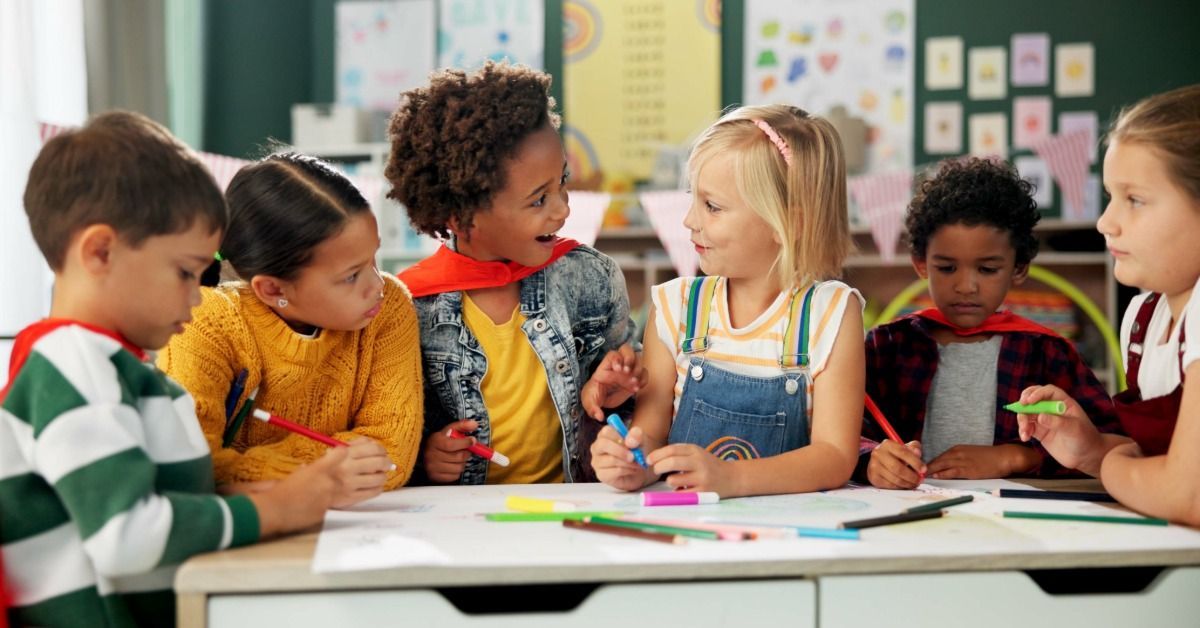
Group learning can gently prepare children for preschool or elementary school routines. Practicing sitting in a group, following directions, and transitioning between activities builds familiarity. Programs such as a Classroom Readiness Program can provide structured opportunities for children to practice these foundational school skills in a supportive environment. What once felt uncertain becomes more manageable.
Children also gain experience navigating shared spaces and group expectations. This practice supports smoother transitions into classrooms, extracurricular programs, and community events. Every child is unique, but early exposure helps to reduce anxiety about new environments.
When children experience group learning in a supportive setting, they build skills that carry into everyday life.
Encourages Parent Collaboration and Support
Group programs often include regular communication between professionals and parents. Families receive updates on goals, strategies, and progress, which supports consistency at home. This partnership strengthens outcomes over time.
Parent training can reinforce what children practice during sessions. When caregivers understand how to prompt and encourage social skills, growth continues beyond scheduled therapy hours. With the right support, learning feels connected rather than isolated.
Many families find comfort in knowing that they are not alone in making these decisions and that their child is part of a supportive community working toward steady progress.
Growing Together in Supportive Group Environments
The benefits of group learning for children with autism often show up in small, meaningful ways. Practicing communication, cooperation, and emotional regulation with peers builds skills that support daily life. With thoughtful guidance and consistent support, group experiences can become powerful opportunities for growth.
At HANDS Center for Autism, we provide comprehensive assessments and individualized Applied Behavior Analysis (ABA) therapy for children ages 2–10. If you are considering group-based services or want to understand how they fit into your child’s personalized plan, our team is here to help. Reach out today to connect with caring professionals who will partner with your family and support your child’s continued progress.