

Helping Children With Autism Understand Personal Boundaries
Personal space can be one of the trickiest social concepts for children with autism to grasp. Without clear, visible cues, these unwritten rules often feel confusing and overwhelming. That's why helping children with autism understand personal boundaries requires more than just words—it takes patience, visual tools, and consistent practice. We’ll teach you supportive, practical strategies that break down this essential skill into manageable steps your child can actually understand.
Learning how to navigate personal space builds the foundation for lasting friendships and healthy relationships. When children understand boundaries, they not only feel more secure in social situations but also learn to respect themselves and others. These skills stay with them as they grow, opening doors to confident, meaningful connections throughout their lives.
What Are Personal Boundaries?
Personal boundaries create invisible lines around us, showing what feels comfortable and safe. They include how close someone stands, what happens with personal belongings, and even how much emotion feels okay to share.
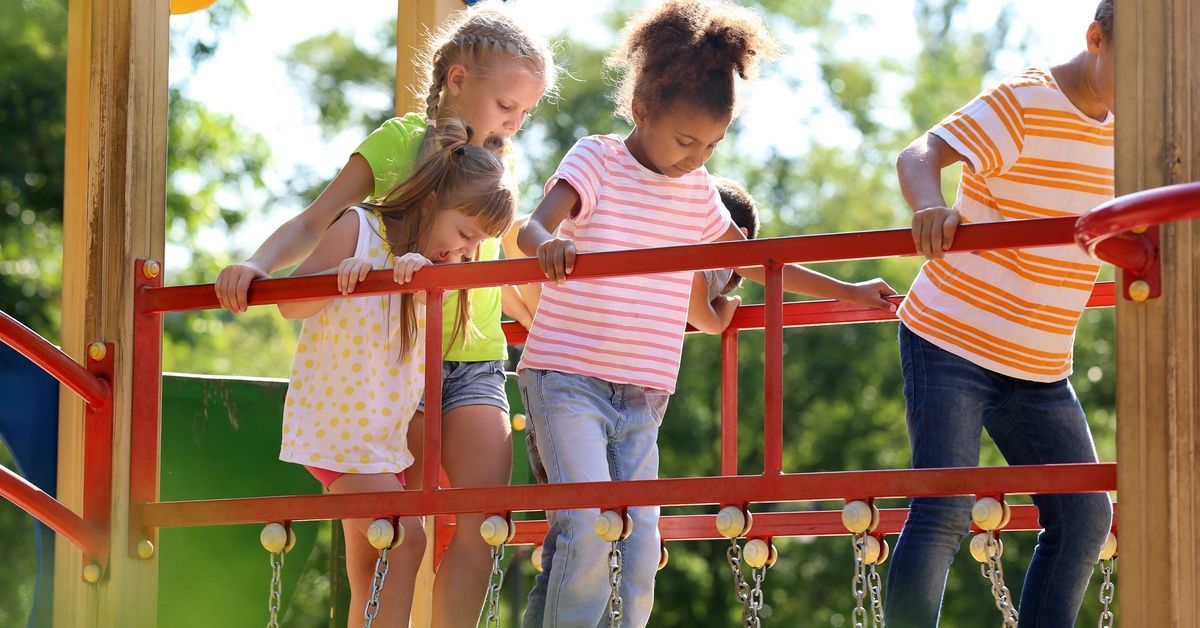
These boundaries show up everywhere in daily life. At the playground, it's waiting their turn on the slide instead of cutting in line. At home, it's knocking before entering someone's bedroom. At school, it's keeping their hands to yourself during circle time. Understanding these everyday moments helps children navigate social situations with confidence.
Why Do Children With Autism Struggle With Boundaries?
Children with autism experience the world in unique ways, and that can affect how they understand social expectations. Sometimes, a child might stand too close during a conversation because it’s tough to read facial expressions or body language. Other times, they might crave tight hugs or physical contact without realizing others might not be comfortable with it.
These differences don’t mean the child is being difficult; they simply process the world differently. Recognizing this helps you approach these lessons with compassion and encouragement.
Explain Personal Space Visually
Abstract social rules become easier to understand with visual cues. For example, a "hula hoop" or "arm's length" rule gives your child a concrete idea of how much space is typical.
Try using colored floor tape or stickers to set distance markers. These can help show where to stand in line or during group activities. Stories with clear pictures and simple words can give real-life scenarios where characters ask for space or respect personal boundaries.
Use Clear Language
When talking about personal boundaries, stick to simple and direct language. Skip idioms or expressions that can confuse your child. Instead of abstract phrases about space or distance, use concrete measurements your child can see and understand, such as arm's length, two steps back, or behind the blue line.
Choose the same words each time for consistency. Repeated, straightforward language helps children connect what you say to what you want them to do. This consistency builds trust and a sense of safety as they learn.
Model Good Boundaries
Kids notice much more than we realize. When you show good personal boundaries in your everyday life, your child learns by watching you. Be sure to always maintain a respectful distance from others, wait your turn in line, and let them know you noticed when they respect personal space.
Whenever you notice a good example, narrate your actions out loud. Explain what you're doing and why it matters, whether that's waiting behind a marker, stepping back to give someone room, or keeping your voice down in a quiet space. These everyday moments give your child context for the lesson.
Build Confidence Through Role-Playing
Practice makes a difference. Role-playing gives your child the chance to try different social scenarios with your guidance and support.
You could act out greeting a new friend, waiting in line, or joining a group activity. Start with straightforward examples and, as your child gains confidence, add more complexity. Use praise and gentle feedback so your child feels comfortable trying new skills outside of practice, too.
Teach Children To Ask for Space
Empowering your child to speak up is just as important as teaching them to respect boundaries set by others. Teach your child simple, direct phrases they can use when they need space—polite requests that state their needs clearly or gentle ways to decline physical contact.
Role-playing can help here, too. Give your child time to rehearse these responses with you, so it feels natural when a real-life situation comes up. Always let your child know their feelings matter and that asking for space is okay.
Reinforce Positive Actions With Encouragement
Acknowledging your child's successes can go a long way. Let them know you noticed when they respect personal space or ask for their own.
The more specific your praise, the better. Instead of general compliments, highlight the exact boundary skill you observed, whether it was waiting in line, asking for personal space, or stepping back when someone seemed uncomfortable. These detailed affirmations boost your child's motivation and help their new skills stick.
Use Structured Therapies To Learn Boundaries
Some children reach their social milestones with a little extra support. Professional therapy can break complex skills into manageable steps and offer regular practice in different settings.
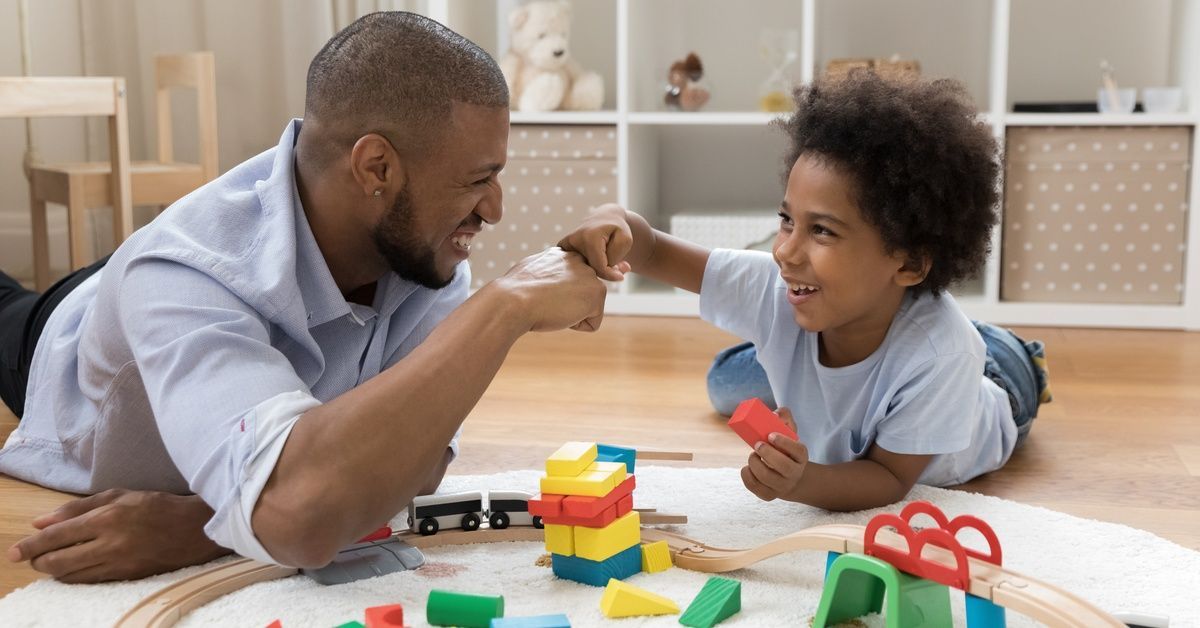
One effective approach is ABA therapy for kids, which gives children clear lessons and plenty of chances to practice social skills, including personal boundaries. Therapists use pictures, stories, and role-playing, along with encouraging words, to help your child recognize social cues and learn that respecting boundaries builds healthy, confident relationships.
Create a Supportive Network at Home and Beyond
For progress to last, your child needs consistent support in every environment—at home, school, and during playdates. Share your strategies and phrases with teachers, family members, and friends so everyone gives your child the same tools and cues.
Working together helps your child feel secure, knowing what to expect wherever they go. A strong support network means fewer surprises and more successes as your child learns.
Practice Patience as Your Child Learns
Teaching these skills will have ups and downs. Celebrate the wins, no matter how small, and know that some days will bring setbacks, too. Every effort matters.
Keep your approach patient and gentle. When you use clear language, visual supports, and regular encouragement, you make a lasting difference in helping children with autism understand personal boundaries. These efforts help children build the foundation for trusting, meaningful connections as they grow.
If you’re ready for support tailored to your family, HANDS Center for Autism can help. Reach out today to speak with our caring team. Together, we’ll map out a plan that gives your child and your family the confidence and comfort you deserve.