

Common Challenges in Potty Training Children With Autism
Potty training always feels like a big step for any family, but for parents of children with autism, it often brings special challenges. Your child might need more time, extra patience, and an approach that truly fits their unique needs. By learning about the common challenges in potty training children with autism, you put yourself in a stronger position to support your child every step of the way.
Try not to worry about how fast your child learns to use the toilet. What matters most is steady progress, no matter how small it may seem on some days. With patience and thoughtful strategies, you can help your child develop this important skill.
Sensory Sensitivities in the Bathroom
Many children with autism feel the world around them in a much more intense way than others. The bathroom can bombard their senses. Loud toilet flushes, chilly seats, or even echoes in a small space may quickly become overwhelming. These details that seem minor to adults can feel huge and uncomfortable to your child, turning simple trips to the bathroom into stressful moments.
Even the scent of air fresheners or cleaning sprays can feel too strong to your child. When these sensory reactions show up, your child might become afraid of the bathroom or try to avoid it altogether. Noticing these sensitivities and making changes, like swapping out cleaners or changing the bathroom routine, can open the door to a more welcoming space for your child.
Difficulties With Interoception
Interoception is the inner sense that tells us what’s happening inside our bodies. Some children with autism don’t recognize these signals as clearly, so it’s tough for them to sense when they need to go. They might not notice their bladder or bowel filling up until it’s almost too late, and that’s not something they can control. It’s a real challenge, not a matter of stubbornness, and it often takes time and encouragement to help them connect with these feelings.
When a child doesn’t feel these internal cues, it’s easy for accidents to happen simply because they don’t realize they need to go until the very last moment. This isn’t stubbornness or misbehavior; it’s a real struggle with understanding their body’s signals. Building this kind of awareness takes gentle reminders, encouragement, and patience from everyone involved.
Communication Barriers and Understanding
Communication differences can play a big role in potty training for children with autism. Your child might not have the words to tell you when they need to use the bathroom, or they may struggle to find ways to get your attention.
Understanding why we use the toilet instead of a diaper can seem confusing to a child, especially when the concept feels abstract. It helps to stick with short, easy-to-understand words and show your child what you mean using pictures or simple visual cues. These tools make the process more concrete and can close the gap when spoken explanations feel out of reach.
The Challenge of New Routines
Children with autism often feel comfortable with routines and knowing what comes next. Potty training changes their day in ways that might feel unsettling. These changes can feel big, even if they seem minor to adults, and may catch your child off guard.
These changes can easily lead to stress or pushback from your child. To help, start weaving in the new routine slowly and keep it consistent. When you integrate potty trips into the daily schedule your child already knows, things often start to feel less overwhelming and more natural for everyone.
Fear and Anxiety Around the Toilet
For some children, the toilet appears scary and unfamiliar. They may worry about slipping, or the noise from flushing might catch them off guard. These fears can become very real obstacles, making each trip to the bathroom feel stressful and overwhelming.
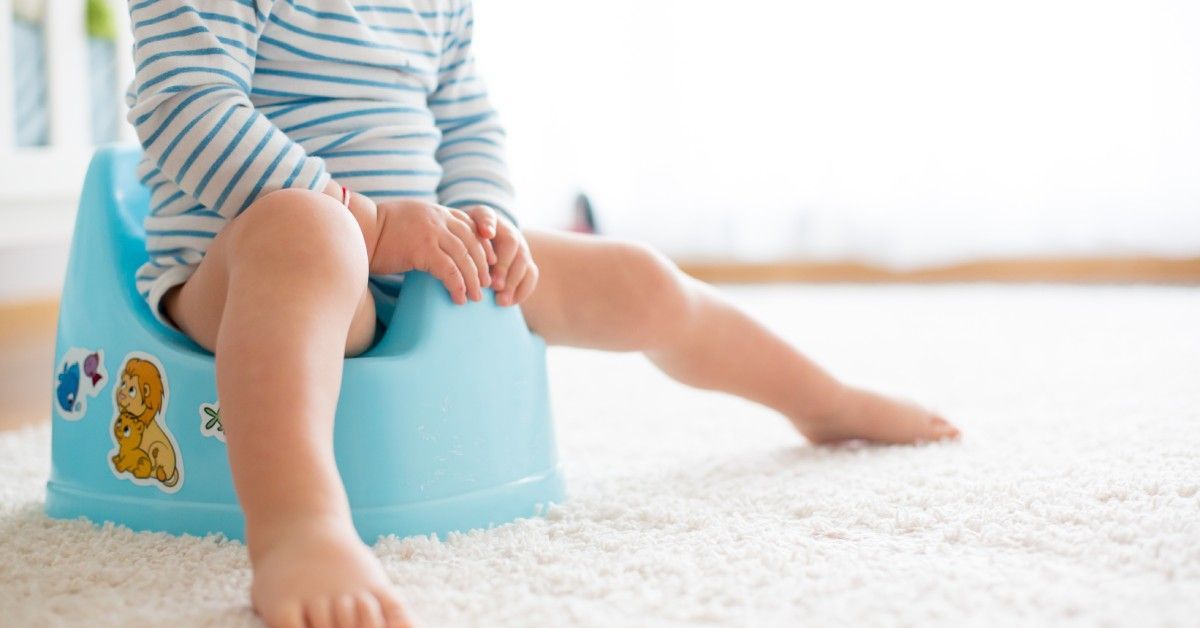
Creating a sense of safety matters. Starting with a small, child-sized potty chair helps your child feel more secure. A sturdy seat reducer on the regular toilet can also make a big difference. Pair these adjustments with gentle encouragement and calm praise. Over time, your support and patience will help your child feel more comfortable and less anxious about using the toilet.
Overcoming Fixations on Diapers
Letting go of diapers can feel like a big loss for your child, especially if they’ve come to rely on them for comfort. Diapers may feel safe and familiar, and the thought of switching to underwear can cause a lot of worry or pushback.
It helps to remember that this attachment is perfectly normal. Many children see diapers as part of their routine and aren’t quite ready to give them up right away. This kind of behavior shows why a slow, gentle transition away from diapers works best.
Integrating Behavioral Strategies Effectively
Successful potty training starts with clear, practical behavioral strategies. Choosing the right tools and knowing when to use them sometimes takes a little trial and error. What works well for one child may not work for another, so it’s important to notice what truly motivates and comforts your own child.
Sometimes, having structured, hands-on guidance can make a world of difference for families. Programs that include applied behavior analysis training for parents give you access to practical, proven strategies designed to fit your child’s unique needs. These empower you to really understand your child’s patterns, set realistic goals, and use encouragement that feels meaningful.
Maintaining Patience and a Positive Outlook
Staying patient and keeping a positive outlook can feel incredibly tough at times. Potty training a child with autism often takes weeks or even months of effort. Some days move forward, while others may seem to set you back. That’s completely normal.
It’s normal to feel discouraged at times, especially when progress seems slow or you find yourself comparing your child’s journey to others. Try to notice and celebrate every small win. Your steady support, patience, and encouragement can make a bigger difference than you might realize.
Implementing Strategies for Success
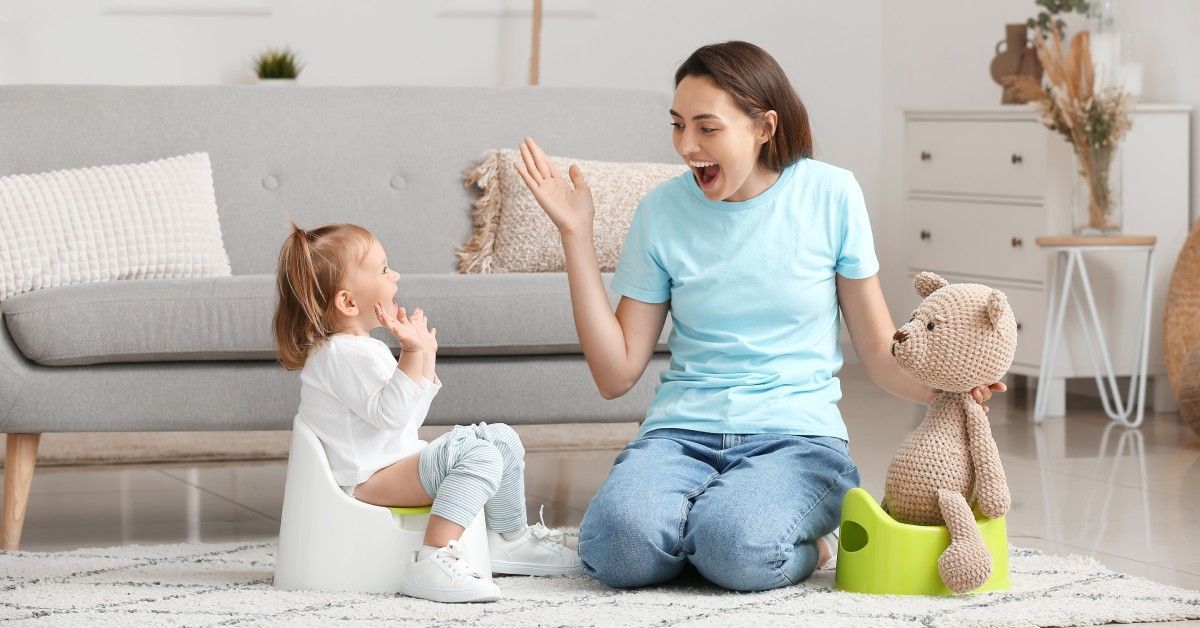
Here are a few tried-and-true strategies that can make a real difference as you help your child master potty training:
- Create a Visual Schedule: Use pictures or icons to show the steps of using the toilet. This provides a clear, predictable sequence for your child to follow.
- Use Positive Reinforcement: Offer a small, immediate reward for trying to use the potty or for successfully going. This could be praise, a sticker, or a few minutes of a favorite activity.
- Make the Bathroom Sensory-Friendly: Address any sensory triggers. You might use a soft toilet seat, provide noise-canceling headphones, or avoid harsh-smelling cleaners.
- Schedule Regular Potty Breaks: Take your child to the bathroom at consistent intervals, such as every 30-60 minutes, to create a predictable routine.
Tackling the common challenges in potty training children with autism takes a mix of empathy, creativity, and a steady, step-by-step approach. Remember, every child finds their way in their own time, and progress comes in all shapes and sizes. By staying supportive and flexible, you help your child move toward independence and build their confidence with each small win.
If you’re looking for guidance or extra support during potty training or any other aspect of your child’s development, HANDS Center for Autism can help. We offer personalized autism services, resources, and experienced professionals who truly understand your family’s needs. Reach out today to learn how we can work together to empower your child’s growth and well-being.