

Supporting Fine Motor Skills With Autism Therapies
For many children with autism, fine motor skills don’t always come easily. These abilities—controlled by the small muscles in the hands, fingers, and wrists—play a key role in everyday life, from writing and using utensils to buttoning up a favorite shirt. Families often look for practical ways to help their children build strength and coordination. Learning how autism therapies support fine motor skills can help set the stage for your child to feel more confident and independent as they take on new challenges.
Fine motor challenges can take many forms. Some children might find it hard to hold a pencil, while others struggle with zippers or tiny buttons. These challenges have nothing to do with intelligence or motivation. They simply highlight the need for focused, supportive help to build hand strength and coordination. With patient, caring guidance, small steps forward can ease everyday frustrations and turn them into moments of growth and new confidence.
Strengthen Hand Muscles
Building hand strength lays an important foundation for fine motor skills. Children gain these crucial muscles through playful, everyday activities without feeling pressured. Enjoying simple moments like squeezing modeling clay, using a spray bottle, or playing with soft, squishy toys all work those tiny muscles. These activities make using hands and fingers fun, creating a relaxed setting where kids feel comfortable exploring what their hands can do.
Fitting these exercises into a child’s daily routine creates important consistency. Try using tongs to pick up small toys or cotton balls. This not only builds hand strength but also sharpens pincer grasp and hand-eye coordination. When activities like these feel playful and natural, kids stay interested and motivated to keep practicing.

Improve Pincer Grasp
The pincer grasp—the movement that lets a child pick up small objects between the thumb and pointer finger—plays an important role in both daily routines and schoolwork. Stringing beads, dropping coins into a piggy bank, or peeling and sticking stickers all give kids the chance to practice and fine-tune this skill.
These activities call for careful attention and small, controlled movements, giving children valuable practice with their fingers. Once a child feels comfortable with one task, parents or therapists can gently introduce a new challenge to keep building skills step by step.
Enhance Bilateral Coordination
Bilateral coordination means using both hands together smoothly and with purpose. It matters for key tasks like cutting with scissors, tying shoelaces, or holding paper still to write. Children with autism may find it tricky to get both sides of their body working together at the same time.
Hands-on activities that use both hands together can make a real difference. Try lacing cards, tearing paper for art projects, or building with blocks that snap together. These simple experiences help children strengthen coordination, a skill they’ll use in many daily tasks as they grow.
Use Occupational Therapy
Occupational therapy makes a big difference for children with autism who need extra support in building fine motor skills. An occupational therapist takes time to get to know each child, understanding their unique challenges and strengths. From there, the therapist creates a plan tailored to fit the child’s daily needs, whether in play, learning, or self-care. The aim is always to help children develop practical skills they’ll use every day, in ways that build confidence and encourage independence.
Therapists draw from many evidence-based strategies to help children stay engaged and make real progress. For some, this might mean swinging on special equipment to build body awareness. Others benefit from sensory bins, which support tactile exploration, or obstacle courses designed to support motor planning and coordination. Making a sensory bin for use at home is also a great idea to work on fine motor skills and coordination, plus it’s fun. Therapists also work closely with families, helping them bring these practices into home and school life so that the child’s growth carries over into everyday routines.
Integrate Applied Behavior Analysis
Applied Behavior Analysis (ABA) helps many children with autism develop fine motor skills in a way that feels achievable and positive. ABA therapists use encouragement and rewards to teach new habits and small movements, breaking down tricky tasks into easy-to-follow steps. By tackling one small milestone at a time, children grow more comfortable and confident, turning practice into progress.
As children pick up each new step, they gain confidence and a sense of accomplishment through encouragement and small rewards. This steady, step-by-step approach makes it easier for kids to master skills that involve sequence and fine control. At an ABA therapy center, the team works together to help children reach a range of developmental goals, connecting motor skills naturally with communication and social growth. This kind of teamwork helps each child make progress across every part of their development.
Develop Wrist Stability
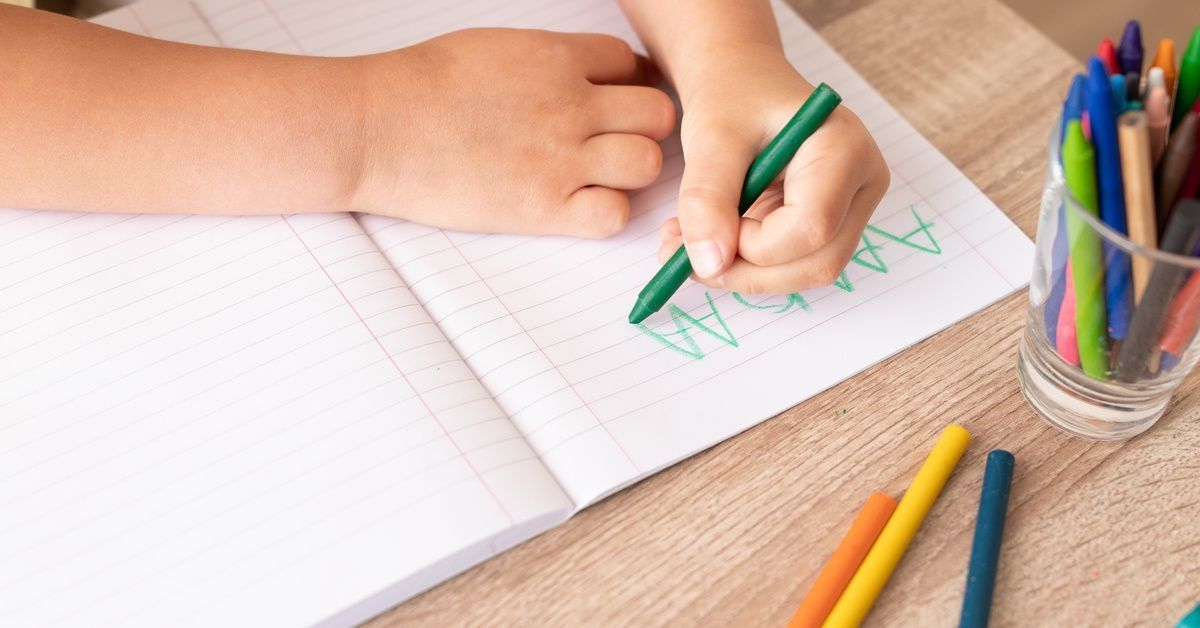
Strong wrists help children control their hands and fingers with greater precision. When their wrists are stable, kids can handle the detailed movements needed for writing, drawing, and daily tools. Without that stability, children might move their entire arm to make marks on paper, which quickly leads to tired muscles and messy work.
Trying activities on a vertical surface makes a big impact on wrist strength. Drawing at an easel or sticking magnets on the fridge encourages the wrist to extend naturally, which helps build stability. Letting kids play with toys on the floor while crawling also works those wrist muscles, boosting strength and endurance in a playful, relaxed way.
Improve Motor Planning
Motor planning, also called praxis, means thinking through how to do a new movement, then putting that plan into action. Many children with autism find this tough, especially when learning a skill that’s unfamiliar or requires several steps. Practicing activities that follow a simple, clear sequence helps these kids gain confidence and improve at breaking tasks into manageable parts.
Try building with blocks by copying simple models, working through easy craft projects with clear steps, or playing movement games like Simon Says. These activities help kids practice thinking about their movements and carrying them out in the right order. Over time, this kind of practice builds connections in the brain, making it easier for children to pick up other motor skills down the line.
Use Adaptive Tools To Support Learning
If your child faces challenges with fine motor skills, adaptive tools can offer valuable support. While not meant to replace long-term skill-building, these tools give children a way to participate and feel included. Being able to join in, even with extra help, reduces frustration and boosts a child’s outlook on learning.
Some helpful adaptive tools include:
- Pencil grips to encourage proper finger placement
- Adapted scissors that require less hand strength
- Non-slip mats to keep paper from moving while writing
- Weighted utensils to provide more sensory feedback and control
These adaptive tools give children the chance to achieve success in everyday tasks, fueling their motivation and encouraging them to try new skills.
Empowering Growth Through Fine Motor Skills
Every child’s path looks a little different, and progress often unfolds at its own natural pace. When families tune in to their child’s strengths and notice every effort, they build resilience and spark a genuine love of learning. Supporting fine motor skills with autism therapies invites teamwork between children, families, and therapists. With steady support, patience, and a focus on practical growth, kids can strengthen their fine motor skills and gain confidence for everyday life.