
The Difference Between Autism and Social Anxiety Disorder
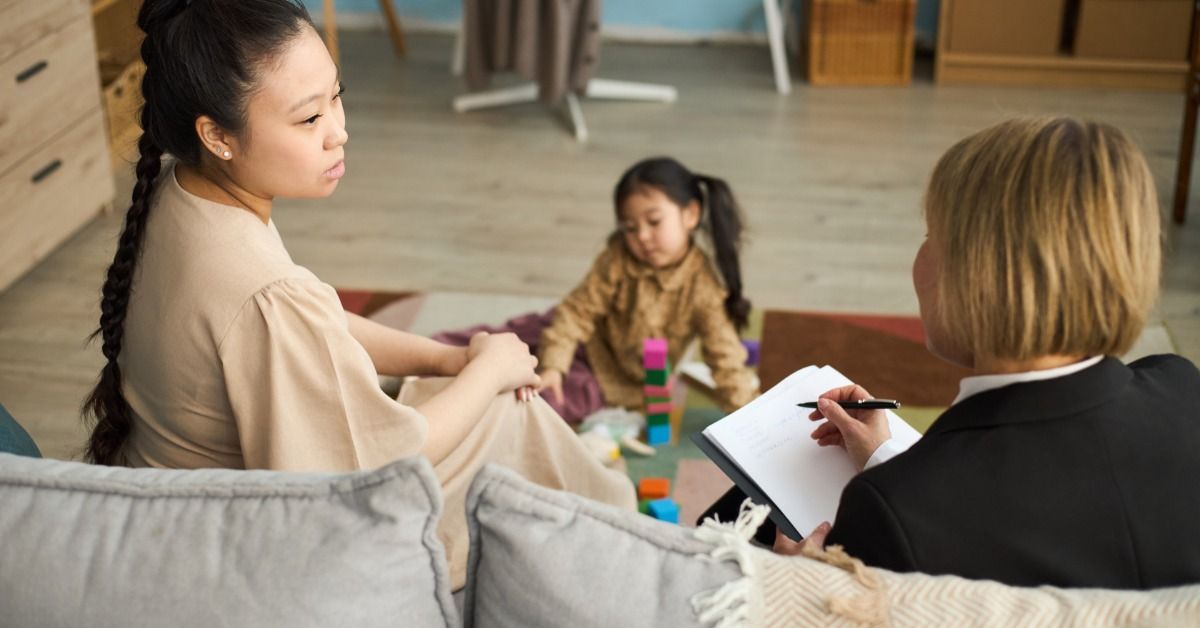
Caring for your child's social and emotional growth can feel overwhelming. When you notice your child struggling in social situations, it’s natural to wonder why. Autism and social anxiety disorder both cause challenges in social settings, but they are not the same. Learning the differences between autism and social anxiety disorder helps parents find their footing and support their child.
Some behaviors can look very similar on the surface, which makes it tough to tell the two apart without a professional's help. Both conditions might involve avoiding social situations, having trouble with conversations, or feeling uneasy around others. But the reasons behind these challenges are different. Understanding these distinctions empowers families to make well-informed choices.
What Drives Social Struggles?
A core difference between the two conditions lies in what drives a child’s difficulties. For children with autism, social challenges come from differences in the way they process social cues and sensory information. They might not pick up on body language or facial expressions and can easily feel overwhelmed by noisy or busy environments.
For children with social anxiety disorder, the driving force is fear—specifically, the fear of being judged or embarrassed. They usually understand social rules but worry intensely about how others perceive them. This fear can prompt them to avoid speaking up or joining in, even when they want to.
Social Communication
Autism affects how kids communicate and interact. Children with autism may struggle to start conversations, avoid eye contact, or have trouble reading nonverbal signals. Their communication is often very direct, and they may miss the subtle hints most people pick up on in conversation.
For children with social anxiety, social skills may be present, but anxiety makes it harder for those skills to shine. The fear of making a mistake or being laughed at can make them go quiet or withdraw, even though they know what to do or say.
Social Interests
Interest in friendships and connections is another way these conditions differ. Many children with autism long for friendships, but they might try to connect in ways that are unique or hard for other children to understand. Sometimes, these attempts lead to misunderstandings or being left out.
Children with social anxiety often crave acceptance and meaningful friendships. Their desire to engage is strong, but their fears make social situations feel impossible. Instead of lacking interest, they feel trapped by the thought of something going wrong.
Repetitive Behaviors and Interests
One of the main features of autism is the presence of repetitive behaviors or a deep focus on specific interests. You might notice your child lining up toys, sticking to routines, or talking endlessly about a favorite topic. These actions are a recognized part of autism and can bring comfort or joy.
Social anxiety does not involve these types of behaviors. If routines develop, they usually serve to avoid anxiety, not as a source of enjoyment. The structured routines of autism have a different purpose and feel than the avoidance patterns tied to anxiety.
Initial Signs of Symptoms
Looking back at when symptoms started can offer helpful clues. Autism appears early, often before age three. You might notice late language development, unique play habits, or persistent trouble forming connections even at a young age.
Social anxiety, in contrast, usually becomes noticeable in the preteen or teen years. Younger children can be shy or cautious, but true social anxiety tends to emerge when social expectations start to ramp up with age and school demands.
Sensory Sensitivities
Many children with autism feel things more strongly. Bright lights, loud sounds, scratchy fabrics, or strong smells can feel unbearable. Being in a crowded or loud place might cause distress that has nothing to do with fear of judgment.
Social anxiety doesn’t include these sensory experiences. There might be discomfort in crowds, but it comes from social worries, not from the sensory environment itself.
What if Both Conditions Are Present?
It’s not uncommon for autism and social anxiety to occur together. A child with autism might develop social anxiety after repeated tough or awkward interactions. Negative social outcomes can raise anxiety and lead to avoidance.
When both conditions happen together, untangling the source of a child’s struggles can get tricky. A thorough and compassionate evaluation is the best way to uncover all the factors and choose care that meets your child’s unique needs.
How Do Professionals Diagnose Children?
Getting a clear diagnosis changes everything. Qualified professionals use different approaches for autism and social anxiety. For autism, a comprehensive evaluation covers developmental history, behavior, and specific signs like repetitive actions or communication style.
With social anxiety, specialists look for patterns of fear or avoidance in social settings. They use interviews and questionnaires to understand how anxiety affects daily life. Psychologists or psychiatrists are trained to spot the signs and create a clear picture of what your child needs.
How Do Parents Get Support?
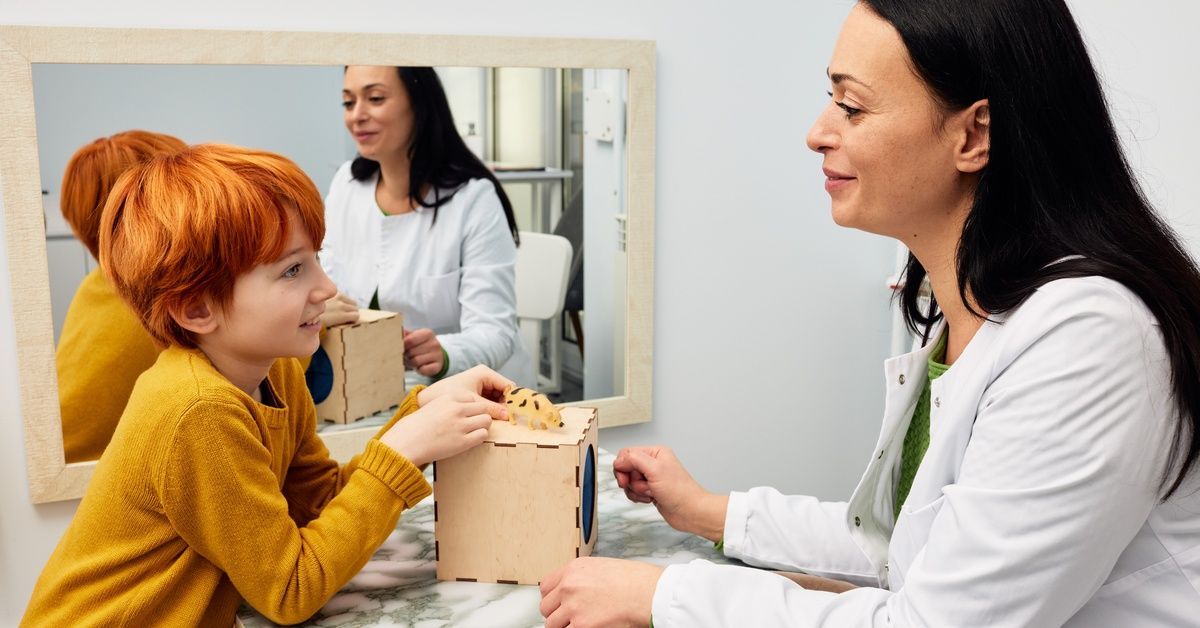
Once you understand a child’s needs, you can take action. For children with autism, support often means building social and communication skills. An autism therapy center offers individualized programs that might include Applied Behavior Analysis (ABA), helping children grow confidence and learn to cope with big feelings or sensory sensitivities. The focus stays on bolstering abilities for independence and community.
For children with social anxiety disorder, therapy often centers on reducing fears and changing the patterns that keep them stuck. Cognitive Behavioral Therapy (CBT) helps children break free from worries by managing anxious thoughts and facing social settings step by step, always with lots of support and encouragement.
How To Improve Social Confidence
Every child deserves social confidence, but every path looks different. For kids with autism, practicing social skills in a structured way—like learning how to join in games or recognize emotions—can make a big difference. Connecting with peers around shared interests helps them feel included.
Children with social anxiety benefit from gently easing into social activities. Gradual practice builds their comfort level and self-assurance. Simple strategies can offer support, such as:
- Arranging one-on-one playdates with a familiar friend
- Choosing structured activities where everyone knows what to expect
- Practicing friendly greetings or how to ask to play
- Celebrating each effort to join in, not just the end results
Why an Accurate Diagnosis Matters
Sorting out the right diagnosis sets your family on the right path. If the cause of social struggles is misunderstood, the support offered might not help as much as it should. The right diagnosis matches your child’s care to their individuality and emotional needs, bringing out their strengths and nurturing their growth.
By truly understanding the differences between autism and social anxiety disorder, you can become a stronger advocate for your child. This clarity lets you ask the right questions, connect with helpful experts, and find resources that uplift your entire family as you move forward together.