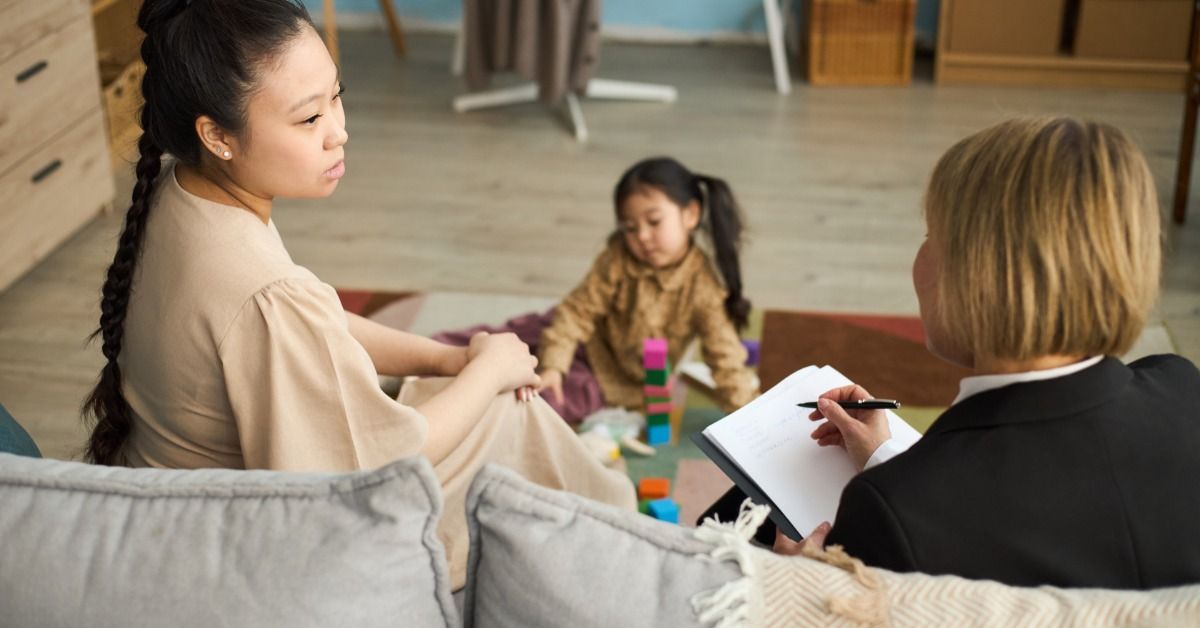

Helping Children With Autism Cope With Rejection or Bullying
For any child, friendships and social spaces can feel tricky to navigate. For neurodivergent kids, these challenges often feel magnified. Helping children with autism cope with rejection or bullying takes empathy, open communication, and a willingness to try creative strategies. As parents, your first instinct may be to shield your child from situations where they can get hurt. But guiding them through tough moments while building their confidence equips them with the tools they need to handle setbacks and thrive. We’ll teach you some effective ways to support your child during these experiences.
Spot Social Struggles Early
Kids with autism might not always speak up when something is wrong. Often, they show signs in other ways before saying a word. You might see changes in how they sleep or eat, or notice more stimming or a sudden desire to stay home. Others might pull back from things they used to enjoy. Staying tuned in to these shifts helps you catch problems early, so you can step in gently before things escalate.
Explain Bullying and Rejection in Simple Terms
Abstract ideas can feel confusing for kids on the spectrum. Using clear, direct language helps them understand what rejection and bullying really look like. For example, you can explain that sometimes people say unkind things or leave others out—not because there’s something wrong with them—but because people don’t always know how to be kind. Social stories can help illustrate what might happen and prepare your child for these situations. Drawing out scenarios or using pictures makes these concepts easier to grasp.
Make Home a Safe Space To Talk
Home should feel like a safe spot for your child to share hard things. You might set aside a few minutes at dinner or bedtime to talk about the day’s best and toughest moments. Respond by listening with empathy, rather than jumping in to solve everything right away. Not all kids are comfortable with words. Let them express their feelings through drawing, acting, or using simple emotion cards. When children know they’re heard, they learn their feelings matter.
Practice Common Social Situations Together
It’s helpful to practice what to do if someone says something mean or declines to play. Try acting out these situations using simple, realistic scripts. Role-play lowers anxiety because your child knows what to expect and how to respond. Simple practice at home builds confidence for real moments with peers.
Help Your Child Manage Big Emotions
Rejection can bring up strong emotions. Teach your child quick ways to calm down, like deep breathing, squeezing a stress ball, or sitting quietly in a favorite spot. Model these tools yourself, so your child learns that needing a breather is okay for everyone sometimes. Gradually, they will feel more in control during tough situations at school or elsewhere.

Build Social Skills Through Supported Play
Rejection sometimes happens because social cues get missed. Try setting up calm playdates with understanding peers where you can gently guide conversations and play. Stay nearby but avoid taking over. Celebrating small social successes, like taking turns or greeting a friend, boosts confidence and makes it easier to bounce back after harder moments.
Work Together With Teachers and Staff
You know your child best. At school, open communication with teachers and counselors is key. Share what works at home and ask staff to keep an eye on social dynamics, especially during free time when issues often arise. Keeping everyone in the loop means no one misses early warning signs. When home and school work together, your child feels supported on all fronts.
Lean on Professional Support Systems
Sometimes extra help makes all the difference. Professional resources like therapy groups or social skills classes can give kids practical, step-by-step ways to handle social situations. For example, enrolling a child in ABA center-based therapy brings them into a nurturing, structured setting where trained therapists teach social skills and reinforce positive connections. Kids practice navigating real-life scenarios in manageable pieces, then build on them with support until new skills stick.
Emphasize Strengths To Grow Self-Esteem
When a child feels targeted, highlighting their strengths becomes even more important. Notice what your child loves, whether it’s drawing, building things, or knowing all about a special interest. Find ways to nurture these talents through solo play, family activities, or joining a club. When children see where they shine, negative feelings in other areas lose their sting. Confidence grows from knowing they have something valuable to share.
Find Community and Support
Kids often feel isolated or alone when facing rejection. Look for local events, meet-ups, or support groups for families with children on the spectrum. These gatherings help your child realize that other kids face similar challenges. It can be reassuring—not just for your child, but for you as well—to share experiences and encouragement within a supportive community. When you have a network, helping children with autism cope with rejection or bullying truly feels possible.
Stay Alert to Online Interactions
As technology evolves, more social experiences happen online. Unfortunately, digital spaces can also bring unique challenges. Monitor the platforms and games your child uses, setting firm but fair boundaries. Let them know that kindness matters online just as much as in person. Keep privacy settings up to date and talk through what to do if someone acts mean, even from behind a screen.

Take the Next Steps if Bullying Continues
If bullying keeps happening despite your best efforts, it's natural to feel frustrated or even helpless. But sometimes additional interventions become necessary, and that's exactly what a protective parent does. Start documenting what you see and hear. Note dates, incidents, and any steps you’ve taken. Request a meeting with the school administrators to make a plan. If needed, don't hesitate to escalate to district leadership or seek advocacy support to ensure your child's safety.
Teach Self-Advocacy
As your child matures, encourage small choices and independent actions. Let them pick activities, share preferences about daily routines, or practice speaking up for their needs. Over time, this makes it easier for them to speak directly to adults or peers when larger challenges arise. Just like any skill, self-advocacy develops with practice and positive reinforcement.
Want Individualized Support for Your Child?
Growing up comes with lots of ups and downs. When autism enters the picture, social challenges can feel even bigger. With understanding, simple strategies, and loving encouragement, your child can learn to handle rejection and bullying not just with resilience, but with growing confidence in themselves.
At HANDS Center for Autism, our dedicated team understands the social challenges your child may encounter. We’re here to partner with you, providing practical tools and compassionate guidance, every step of the way. Reach out today to schedule a consultation, and let’s work together to support your child’s journey toward lasting confidence and connection.