

How ABA Therapy Individualizes Treatment for Each Child
When your child begins therapy, it is natural to wonder whether the plan will truly fit who they are. Every child with autism has their own strengths, communication style, sensory needs, and daily challenges. That is why understanding how ABA therapy individualizes treatment for every child can help families feel more confident about the process. With the right support, therapy becomes more than a series of lessons. It becomes a personalized path that helps your child build meaningful skills at their own pace.
Assessments Create a Personalized Starting Point
Applied Behavior Analysis (ABA) therapy begins with getting to know the whole child. Before creating a treatment plan, professionals look at how your child communicates, responds to routines, handles transitions, and participates in daily activities. This assessment-first approach helps the therapy team understand where support may be most helpful.
The goal is not to compare your child to anyone else. Instead, the focus stays on your child’s current strengths, needs, and opportunities for growth. Every child is unique, so their treatment plan should reflect that individuality from the very beginning.
Parents also play an important role during the assessment process. You understand your child’s routines and comfort levels better than anyone else. Sharing those insights helps therapists create support strategies that fit naturally into family life.
Many families find that early assessments bring a sense of relief. When parents better understand why certain behaviors happen and how therapy may help, daily challenges often feel less overwhelming.
Goals Support Everyday Family Life
One of the most important parts of individualized ABA therapy is setting goals that truly matter for the child and family. Some children may need support with communication. Others may benefit from help with routines, emotional regulation, or social interactions.
Goals often focus on practical skills that support independence and confidence. A child who struggles with transitions may work on moving between activities more calmly. A child who has difficulty expressing needs may practice using pictures or communication devices instead.
Therapy goals may include:
- Using communication tools to ask for help or make choices
- Following daily routines with less frustration
- Practicing safe behaviors at home or in the community
- Building comfort during play or group activities
These goals usually begin with small, achievable steps. Over time, those small steps can support meaningful progress in everyday life.
Teaching Strategies Match Learning Styles
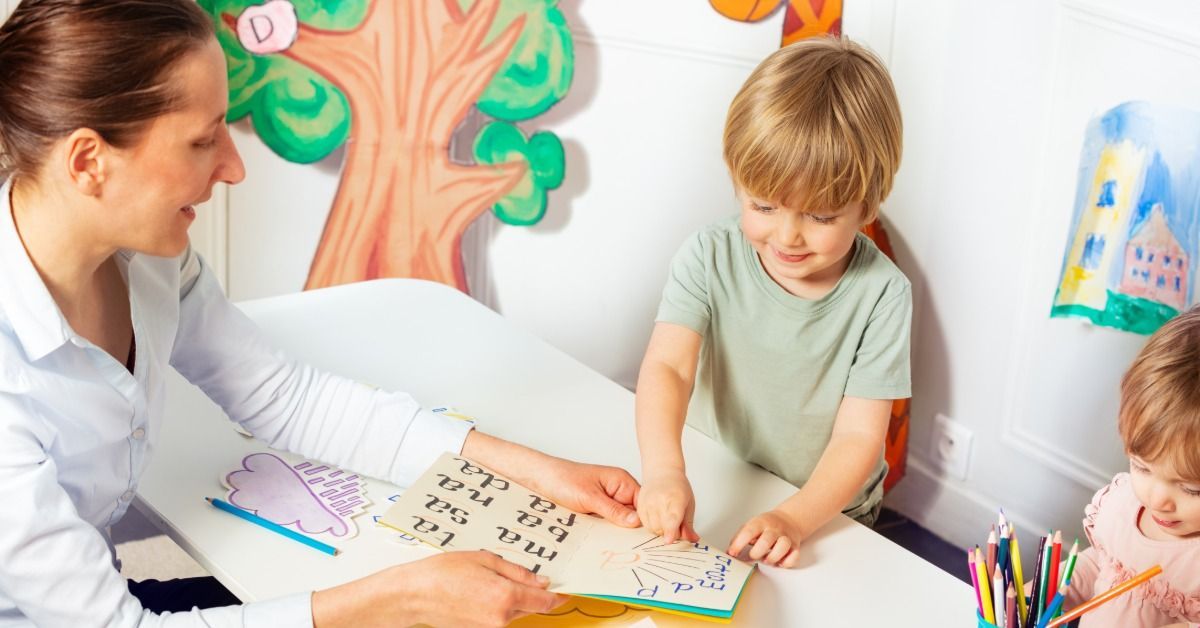
Children learn in different ways, so therapy strategies should adjust to match each child’s learning style. Some children respond well to visual supports. Others learn best through movement or shorter sessions with breaks in between.
Therapists often break larger skills into smaller steps so children can practice one part at a time. For example, learning to brush teeth may begin with simply holding the toothbrush before moving on to the rest of the routine. This step-by-step process helps children build confidence without feeling overwhelmed.
Encouragement also looks different for every child. One child may feel motivated by praise, while another responds better to sensory activities or extra playtime. ABA therapy for kids works best when support feels encouraging and meaningful to the child receiving it.
Consistency matters, but flexibility matters too. If one strategy is not helping a child stay engaged, therapists can adjust the approach to better fit the child’s needs.
Progress Continues To Shape Treatment
Individualized therapy plans continue to change as children grow and develop new skills. Therapists regularly track progress to see what is working well and where additional support may help. This ongoing review keeps treatment responsive instead of repetitive.
When a child masters one skill, the therapist may gently introduce a more advanced version of that skill. If progress feels slower in another area, the team can adjust teaching methods or pacing to reduce frustration. Therapy should grow alongside the child rather than staying fixed in place.
Progress does not always happen in a straight line. Some weeks bring noticeable changes, while other periods focus more on practicing and reinforcing existing skills. With steady support and patience, many children continue building confidence over time.
As children grow more comfortable, therapy may also expand into other settings. Practicing their learned skills at home, school, or in the community helps children apply what they learn in everyday situations.
Family Collaboration Strengthens Support
Families are an essential part of the therapy process. Skills practiced during sessions become even more meaningful when children can use them during everyday routines at home. That is why parent involvement plays such an important role in individualized treatment.
Parents may share goals related to mealtimes, bedtime routines, outings, or preparing for school. Therapists can then help families use supportive strategies during those daily moments. This consistency across environments often helps children feel more secure.
Parent training can also help caregivers feel more confident when responding to challenges. Understanding why certain strategies work makes it easier to continue supporting progress outside therapy sessions. With the right guidance, many families find that routines become calmer and more manageable over time.
Collaboration also helps therapy stay practical for busy families. Flexible planning and open communication make it easier to build strategies that fit naturally into daily life.
Support Adapts Across Different Environments
Children often respond differently depending on where they are. A child who feels calm during therapy may struggle in loud classrooms or crowded community spaces. Understanding those differences helps therapists create support plans that work across environments.
Some children benefit from visual schedules or transition reminders. Others may need sensory breaks or extra preparation before changes in routine. Personalized strategies help reduce stress while making new situations feel more predictable.
Therapists also pay attention to what happens before and after challenging behaviors. This helps identify patterns that may affect how children respond in different settings. Once those patterns become clearer, the therapy team can adjust support in ways that better meet the child’s needs.
Consistency between home, school, and therapy settings can make a meaningful difference. When children receive similar support across environments, they often feel more confident and secure.

Personalized Therapy Encourages Long-Term Growth
Individualized therapy focuses on helping children build skills in ways that feel achievable and supportive. When goals match a child’s strengths and challenges, therapy can encourage progress without creating unnecessary pressure. This approach helps children experience success one step at a time.
Confidence often grows when children communicate more clearly and handle transitions with less stress. These changes may seem small at first, but they can positively affect many parts of family life.
Families also benefit from having a clearer understanding of how to support their child’s development. With guidance and practical strategies, everyday moments can become opportunities for connection and growth.
This personalized approach is one reason many families choose ABA therapy. Instead of following the same plan for every child, therapists build support around each child’s unique needs and abilities.
Finding Care That Fits Your Family
Choosing therapy for your child can feel like a major decision, especially when you want support that truly fits your family’s needs. You’re not alone in this. With thoughtful assessments, individualized goals, and ongoing collaboration, ABA therapy can help children build important skills while giving parents greater clarity and confidence.
At HANDS Center for Autism, we believe every child deserves personalized support designed around their strengths and needs. Our team works closely with families to create meaningful goals, practical strategies, and supportive routines that fit everyday life. If you have questions about ABA therapy or next steps for your child, reach out to us today. Together, we can help your child continue building confidence and lasting progress.