

The Role of ABA Therapy in Enhancing Academic Performance
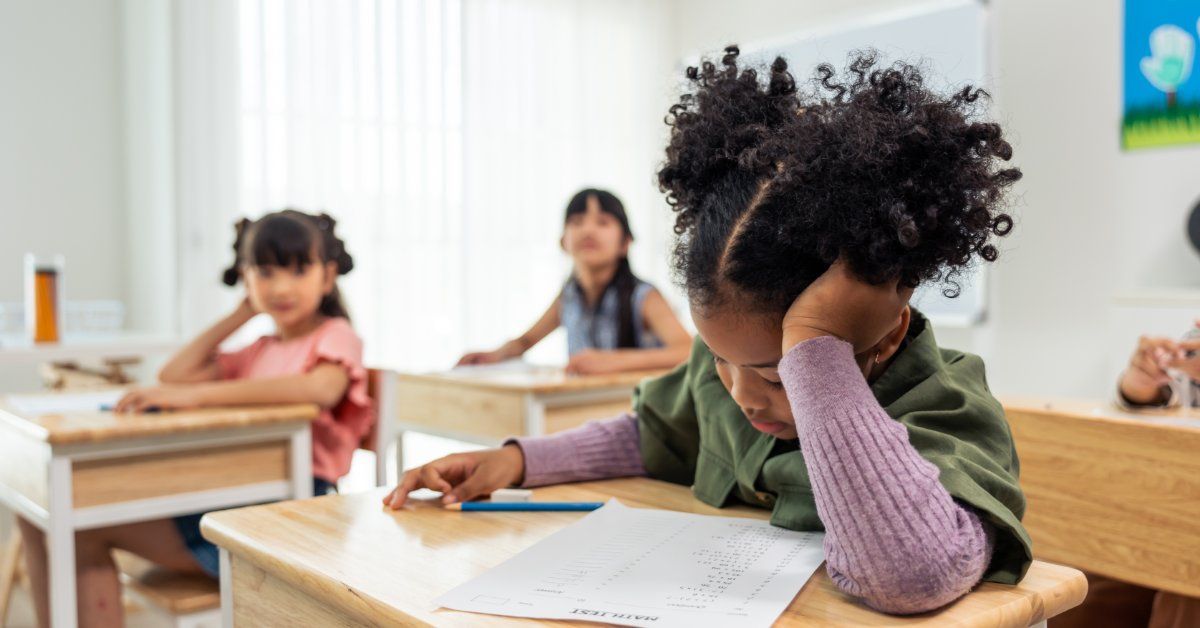
School can bring exciting milestones, but it can also bring real challenges for children with autism. A child may know an answer yet struggle to stay seated or finish work when the classroom feels overwhelming. For parents, it can be hard to know whether school struggles come from learning gaps or support needs. Understanding the role of ABA therapy in enhancing academic performance can help families see how behavioral support connects with school readiness and growing confidence.
Builds Readiness for Learning
Applied Behavior Analysis (ABA) is a therapy approach that focuses on understanding behavior and teaching useful skills through clear support. For children with autism, academic performance is not only about reading or math. It also depends on the learning behaviors that help a child participate in the school day.
Some children need support with sitting during instruction. Others may need help responding to their name, asking for help, or waiting for a turn. ABA therapy breaks these expectations into smaller steps so children can practice them in a way that feels manageable.
Many families find that academic progress begins with these foundational skills. When a child can attend to a task a little longer or complete one more step independently, learning becomes less stressful. Small steps can make a meaningful difference.
Supports Attention and Task Completion
Attention can be one of the biggest barriers to learning for children with autism. Some children move quickly between activities, while others become deeply focused on one preferred task and have trouble shifting. Both patterns can make classroom learning harder than it needs to be.
ABA therapy can help children build attention gradually. Instead of expecting a child to complete a long worksheet right away, therapists may start with shorter tasks. As the child gains confidence, expectations can grow in a realistic way.
Task completion is another important part of academic growth. Children may need help understanding where to start and what comes next. Visual schedules and clear prompts can help the child keep going without feeling lost.
For example, a child who struggles with writing may first practice picking up a pencil. From there, they may trace one line or complete one short response. This pacing helps children experience progress without feeling overwhelmed.
Strengthens Communication at School
Communication plays a central role in academic performance. A child who cannot ask for a break or request help may become frustrated during schoolwork. That frustration can sometimes look like refusal or avoidance.
ABA therapy supports communication by teaching children functional ways to express what they need. For some children, that may mean using spoken words. For others, it may include gestures, picture cards, or communication devices.
When a child has a reliable way to communicate, learning often becomes less stressful. They can let adults know when something feels too hard. They can also share when they need more time or do not understand the directions.
Encourages Positive Classroom Behaviors
Many children with autism need direct support in understanding classroom expectations. Rules that seem obvious to adults can feel unclear. ABA therapy can make these expectations more concrete through modeling, practice, and consistent encouragement.
Positive classroom behaviors are not separate from learning. When a child can stay with a group or use materials safely, they have more chances to engage in academic tasks. These are learning access goals, not just behavior goals.
Therapists often look at what happens before and after a behavior to understand why it may be occurring. A child might leave the table because the task feels too hard. Another child may step away because the room is noisy or because they do not know how to ask for help.
Supportive strategies may include:
- Using a visual schedule so the child knows what comes next
- Offering clear choices to build cooperation and independence
- Reinforcing effort when the child tries a challenging task
- Teaching to ask for breaks before their frustration becomes too big
- Practicing transitions with consistent cues and calm support
These tools help children learn what to do next. Over time, that can create a more positive connection with schoolwork.
Connects Home, Therapy, and School
Children often make the strongest progress when the adults around them stay consistent. A child may practice a skill in therapy, but they also need opportunities to use that skill at home and school. This carryover is an important part of meaningful growth.
ABA teams can help families understand what their child is working on and how to support those goals outside of therapy sessions. Parent training may include ways to use prompts, reinforce new skills, respond to frustration, or build routines that support learning. This guidance can help parents feel more prepared when school challenges show up at home.
Collaboration with teachers can also make a difference when available and appropriate. A therapist may help identify strategies that support classroom behavior or skill development. Parents can share what works well in other settings, so the child receives more consistent support.
Every child is unique, so the best plan should reflect their learning style and daily needs. An ABA center-based therapy setting can give children a structured place to practice school-related skills with trained support. Children may work on following directions, completing table tasks, joining group activities, and building independence in a predictable space.

Builds Confidence and Long-Term Skills
Academic struggles can affect how children feel about themselves. When tasks feel confusing or overwhelming, a child may begin to avoid them before they even start. ABA therapy can help rebuild confidence by creating a clear path toward success.
Instead of focusing only on what a child cannot do yet, ABA looks at what the child can do now. Then therapists identify the next achievable step. This helps children experience learning as something they can approach with support.
Long-term school skills may include:
- Following multi-step directions with less support
- Asking for help before becoming overwhelmed
- Using coping strategies during difficult tasks
- Moving between activities with more flexibility
- Completing familiar routines with growing independence
These skills take repetition and patience. Progress may look different from one child to another, and that is okay. With personalized guidance, children can continue building tools that support both learning and daily life.
How ABA Helps Families Take the Next Step
Academic performance is shaped by more than grades or test scores. For children with autism, school success often begins with communication, attention, and the confidence to keep trying. The role of ABA therapy in supporting academic performance is to build these skills through practical strategies and steady encouragement.
You’re not alone in this. If your child is struggling with classroom routines or school readiness, HANDS Center for Autism can help you explore supportive next steps. Our team offers personalized ABA therapy, assessments, and parent guidance designed to help children build meaningful skills with confidence.