
Must-Have Toys for Children in ABA Therapy
ABA (applied behavior analysis) therapy is a proven and effective method for enhancing social, communication, and learning skills in children with autism. This therapeutic approach focuses on understanding and improving specific behaviors through techniques that encourage positive change. Incorporating the right toys can significantly enhance the effectiveness of these therapy sessions, as they engage children in enjoyable activities while promoting skill development.
To help you in your search for the perfect toys, we’ve looked at seven essential toys for children undergoing ABA therapy that parents should consider for their child's growth and development.
1. Sensory Play Kits
Sensory play kits, filled with materials like kinetic sand, water beads, and textured balls, are excellent for engaging a child's senses. These kits help children develop fine motor skills and can be used to teach cause-and-effect relationships. They can also be used to work on social skills, such as turn-taking and sharing, through interactive play.
2. Visual Schedules
Visual schedules are essential for helping children understand daily routines and transitions. Using magnetic or laminated boards with interchangeable activity cards, visual schedules provide a clear and consistent structure that can reduce meltdowns and increase independence.
3. Communication Boards
Communication boards, often equipped with images and symbols, are another must-have toy for children in ABA therapy. These boards enable children to express their needs and feelings, fostering communication skills. Parents can customize these boards to include specific vocabulary and phrases pertinent to their child's daily life, enhancing the practical application of learned skills.
4. Building Blocks
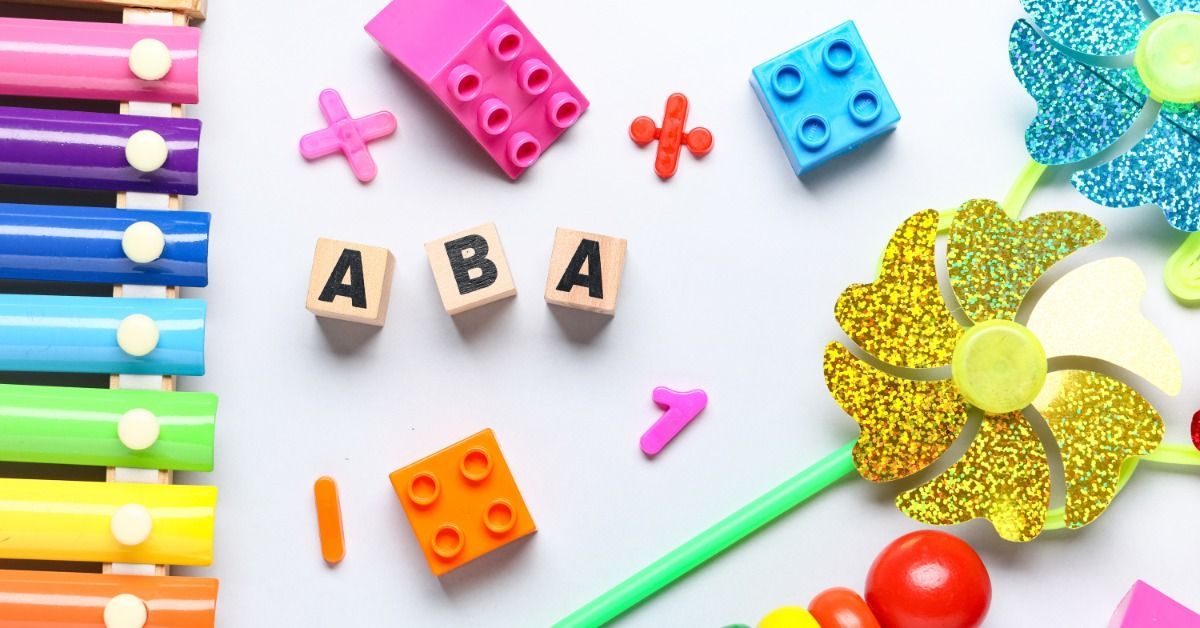
Building blocks are versatile toys that encourage creativity, problem-solving, and cooperative play. They can teach concepts like colors, shapes, and numbers while promoting turn-taking and social interactions. The open-ended nature of building blocks allows children to explore and learn at their own pace, which is crucial in ABA therapy.
5. Puzzles
Puzzles offer a fun way to develop cognitive and fine motor skills. They challenge children to think critically and solve problems, which can enhance their focus and patience. Choose puzzles appropriate for your child's developmental stage, starting with simple ones and gradually increasing in complexity as their skills improve.
6. Social Skills Games
Games designed to build social skills, such as “The Social Express” or the dominoes-based game, “Emotion-oes,” are perfect for teaching children how to interact with peers. These games often include scenarios that require children to practice sharing, taking turns, and recognizing emotions. Integrating these games into ABA therapy can significantly improve a child's social interactions.
7. Reinforcement Toys
Reinforcement toys, like token boards and reward charts, motivate children by providing positive reinforcement for desired behaviors. These toys help children understand the concept of earning rewards through positive actions, which can encourage compliance and increase engagement in therapy sessions.
Empowering your child's ABA therapy with the right toys can make a world of difference. These tools not only make learning more enjoyable but also enhance the overall effectiveness of the therapy. To further support your child's development, consider reaching out to HANDS Center, a leading autism service provider. Start your child's journey to better learning and communication today with HANDS Center.