
The Role of Play in Autism Skill Development
Play is one of the most natural ways children explore the world around them. Through games, imagination, and shared activities, kids practice communication, problem-solving, and social interactions without feeling like they are being taught. For many families, understanding the role of play in autism skill development can turn everyday moments into meaningful opportunities for growth.
Children often build important abilities while playing with toys, interacting with caregivers, or trying new activities. These moments allow them to practice skills in a relaxed and engaging way. With encouragement and the right support, play can help children grow in confidence, independence, and connection.
Understand Why Play Supports Learning
Play allows children to learn while staying engaged and motivated. When an activity feels fun, children are often more willing to participate and try new skills. This natural motivation can make learning feel easier and less stressful.
Children with autism may process social situations differently, which can make traditional teaching methods feel overwhelming. Play creates a relaxed setting where children can explore communication and interaction at their own pace. Over time, these repeated experiences help build familiarity and confidence.
Play also encourages curiosity and creativity. When children experiment with toys, puzzles, or imaginative scenarios, they begin to see how actions lead to results. These small discoveries support cognitive development and strengthen problem-solving skills.
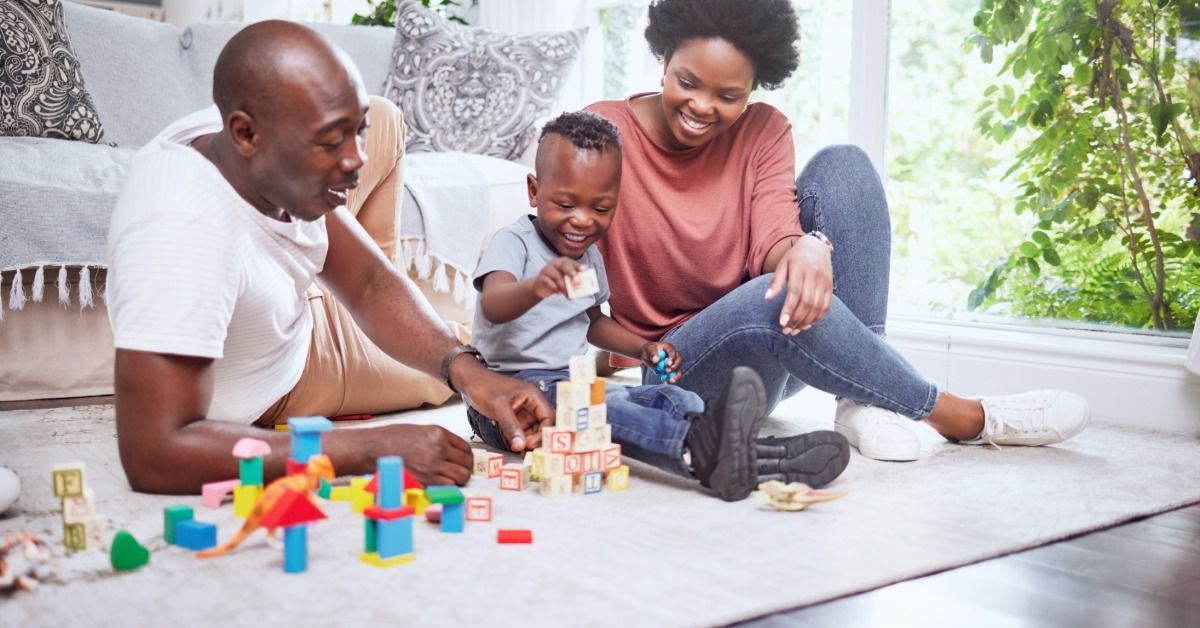
Shared play also strengthens relationships. When parents, caregivers, or therapists join the activity, children experience connection and positive attention. These moments build trust and create a supportive environment where learning can naturally take place.
Recognize the Skills Children Practice During Play
Play supports several areas of development at the same time. Even simple games can help children practice skills that support growth at home, at school, and in social settings.
Communication often develops during play. Children may request toys, label objects, or respond to another person during games. Even a simple activity like rolling a ball back and forth can create opportunities for interactions.
Social understanding also grows through shared play. Children begin practicing turn-taking, cooperation, and noticing cues from others. These experiences can help prepare them for group environments like classrooms or playdates.
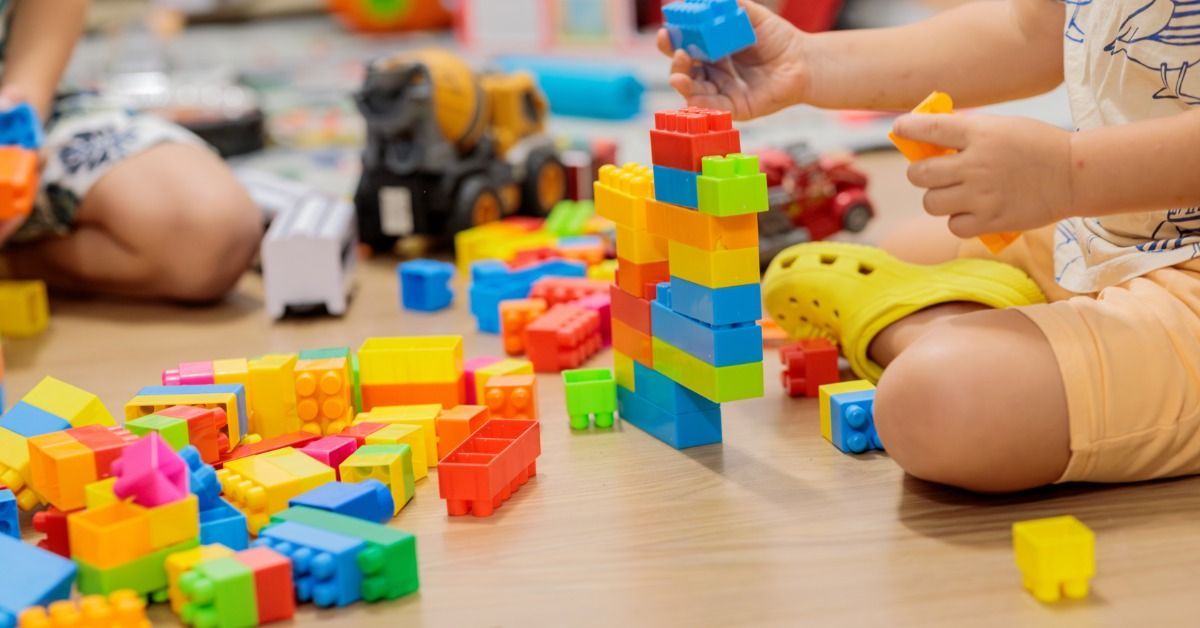
Motor skills develop through many types of play. Activities such as building blocks, drawing, or puzzles strengthen fine motor coordination. Running, climbing, and active games support balance, coordination, and body awareness.
Emotional regulation also develops over time. During play, children experience small challenges, practice patience, and celebrate successes. These moments can gradually help children handle frustration and build resilience.
Explore Different Types of Skill-Building Play
Children benefit from experiencing different styles of play. Each type of activity offers opportunities to strengthen specific developmental skills while keeping learning engaging.
Imaginative play encourages creativity and storytelling. Pretending to cook in a toy kitchen or acting out a favorite story helps children practice language and flexible thinking. It can also support understanding everyday routines and social roles.
Structured games introduce clear rules and expectations. Board games or simple card games help teach patience, turn-taking, and following directions. These predictable activities can feel especially comfortable for children who prefer routines.
Sensory play allows children to explore textures, sounds, and movement. Activities with sand, water, play dough, or textured materials provide sensory input that many children find calming and engaging.
Physical play supports movement and coordination. Obstacle courses, playground time, or jumping activities help children release energy while improving balance and strength. These activities can also support focus and emotional regulation.
Learn How Therapy Uses Play To Teach Skills
Many therapeutic approaches use play to help children practice developmental skills. One well-known approach is Applied Behavior Analysis (ABA), which focuses on teaching meaningful skills step by step.
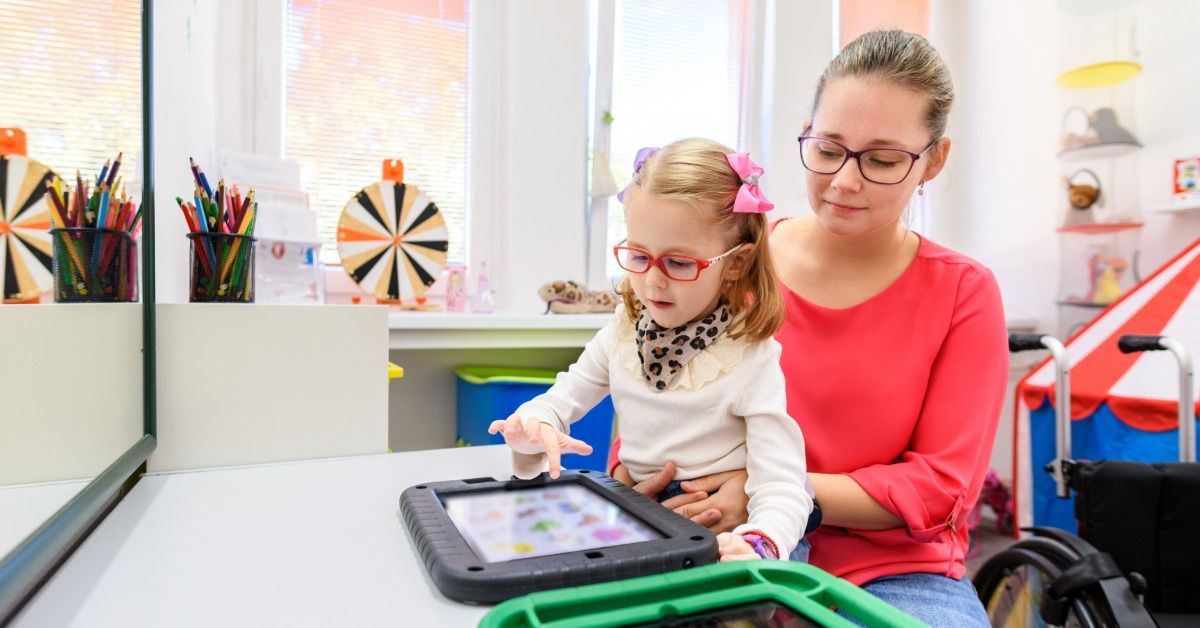
During therapy sessions, specialists observe how a child communicates, interacts, and responds during play activities. They use toys, games, or pretend scenarios to create structured learning opportunities tailored to each child's strengths and needs. For example, a therapist might turn a toy activity into a chance to practice requesting items, sharing materials, or following instructions. Positive encouragement helps children stay motivated while practicing new behaviors.
Many families find that ABA therapy for kids becomes especially effective when learning happens through playful interactions. Familiar toys and engaging activities help children stay focused while building new skills.
Working with professionals also helps parents learn practical strategies they can continue using at home. These observations guide personalized learning plans that families can apply during everyday play. When families and therapists collaborate, children receive consistent support across home, school, and therapy settings, making playful learning experiences even more effective.
Support Skill Development Through Play at Home
Parents and caregivers play an important role in encouraging skill-building play. Everyday moments can become opportunities for learning when families approach play with patience and intention.
Try following your child’s interests during playtime. When children are engaged with activities they enjoy, they are more likely to participate and communicate. This approach helps keep playtime positive and motivating.
Consistency can also make a difference. Repeating certain games or routines allows children to practice the same skills in familiar ways. Over time, children often become more confident and independent during these activities.
Simple strategies can help make playtime more supportive and structured:
- Follow your child’s interests and favorite toys.
- Model simple language during play.
- Practice turn-taking with easy games.
- Offer encouragement for small efforts.
- Use visual supports when helpful.
- Keep activities predictable and calm.
Balancing guided play with free exploration is also helpful. Allowing children to lead some activities encourages creativity and independence. These playful moments support learning while strengthening your connection with your child.

Helping Your Child Grow Through Play
Understanding the role of play in autism skill development helps families see everyday activities in a new way. Play is not just entertainment—it can be a meaningful pathway for building communication, social interaction, and independence.
Every child develops at their own pace, and progress often happens through small steps. Shared playtime can strengthen relationships, build confidence, and create opportunities for growth that feel natural and enjoyable.
If you are looking for additional guidance, the team at HANDS Center for Autism is here to support your family. Through personalized ABA therapy, autism assessments, and parent support, we partner with families to help children build important life skills. Reach out to learn how we can support your child’s progress and confidence.