
The Benefits of Peer Modeling in Autism Learning
Watching your child grow and connect with others can bring both joy and uncertainty, especially when social or communication skills feel harder to build. Many families look for supportive, practical ways to help their child learn in a natural setting. Peer modeling for children with autism can open the door to meaningful progress, where children learn by observing and interacting with others in everyday situations. With the right support, these shared experiences can help your child build confidence and feel more connected.
What Is Peer Modeling?
Peer modeling is a teaching approach where children learn new skills by observing and interacting with other children. These peers may demonstrate social behaviors, communication styles, or daily routines in ways that feel natural and easy to follow. Instead of relying only on adult-led instruction, children see how skills play out in real moments with others.
For many children, this approach feels more comfortable. Learning alongside peers can reduce pressure and make it easier to stay engaged. It creates an environment where trying something new feels safe rather than overwhelming.
Peer modeling can happen in classrooms, therapy sessions, or small group settings. What matters most is having consistent opportunities to observe and practice skills in a supportive space.
Why Children Learn So Well From Peers
Children naturally look to others their age for cues on how to behave and interact. This tendency plays an important role in learning, especially for children with autism who benefit from clear, visible examples. When a peer demonstrates a behavior, it often feels more relatable and easier to try.
Peers also create repeated opportunities to see and practice new skills. A child might watch the same behavior several times during play, which helps it become more familiar. That repetition makes it easier to recognize patterns and build understanding.
There’s also a social element that matters. When children feel included, they’re more likely to stay engaged. That sense of connection supports both learning and emotional comfort.
How Peer Modeling Supports Social Skills
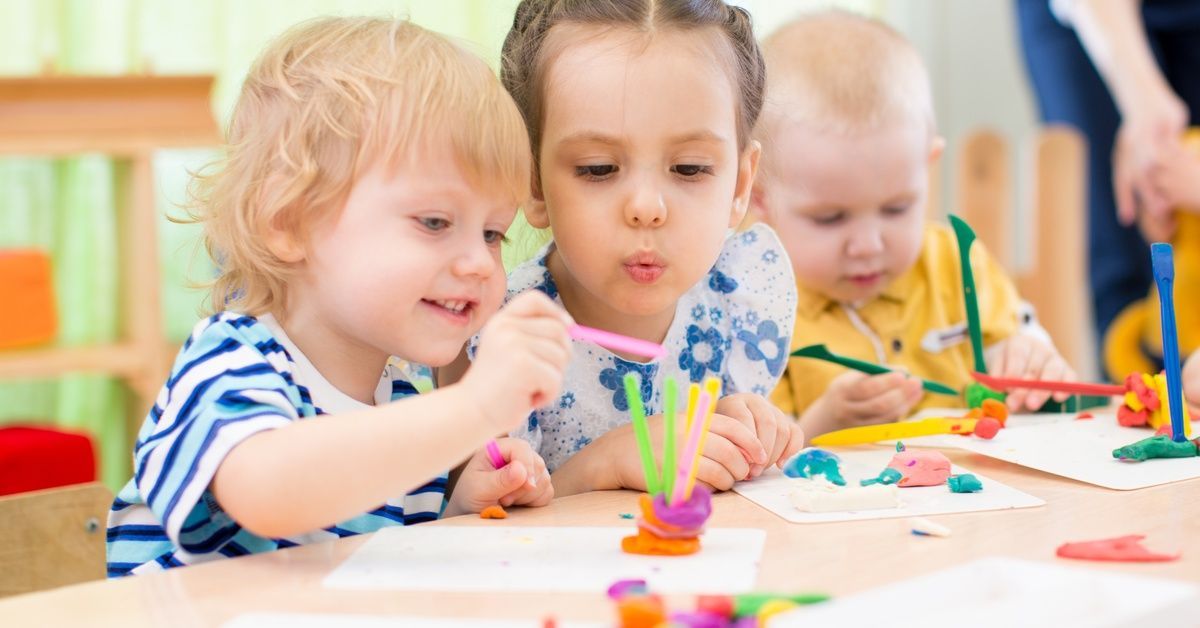
Social skills often develop best through real-life interactions. Peer modeling gives children the chance to observe and practice these skills naturally, without feeling singled out. It helps them see how social moments actually unfold.
Children can learn by watching peers:
- Take turns during games or conversations.
- Share toys or materials during play.
- Respond to others’ emotions or reactions.
These everyday interactions provide clear, real examples of social behavior. Over time, children may begin to copy what they see and use those skills more independently.
As their confidence grows, some children start initiating small interactions on their own. Even simple steps, like joining a group activity, can build meaningful progress.
How Peer Modeling Encourages Communication Growth
Communication includes much more than words. It involves timing, tone, gestures, and understanding how conversations flow. Peer modeling allows children to see all of these pieces come together in a natural way.
When children observe peers asking for help, making choices, or responding to questions, they gain a clearer sense of how communication works. These moments feel more natural than structured practice alone. Over time, children may begin to imitate simple phrases or actions they see.
How Peer Modeling Builds Confidence and Independence
Confidence builds when children feel capable and included. Peer modeling creates opportunities for children to try new skills in an environment where success feels possible. Watching peers complete tasks can make those same tasks feel more approachable.
As children begin to copy these behaviors, they experience small wins that boost their self-esteem. Completing a routine, joining a game, or following along with others can reinforce a sense of accomplishment. These moments encourage children to keep trying.
Over time, children may rely less on prompts from adults and start looking to peers for guidance. This shift supports independence and helps children feel more comfortable navigating different situations.
How Peer Modeling Supports Skill Generalization
A key part of learning is using skills across different environments. A child may practice a skill in therapy but struggle to use it at home or in the community. Peer modeling helps close that gap by teaching skills in real-life settings.
Because learning happens during natural interactions, children are more likely to carry those skills into other parts of their day. For example, practicing sharing during group play can lead to sharing at home or on the playground. These connections support lasting progress.
This process, known as generalization, helps ensure that skills are not limited to one setting. Regular exposure to peer interactions makes it easier for children to apply what they’ve learned in everyday life.
How Structured Support Enhances Peer Modeling
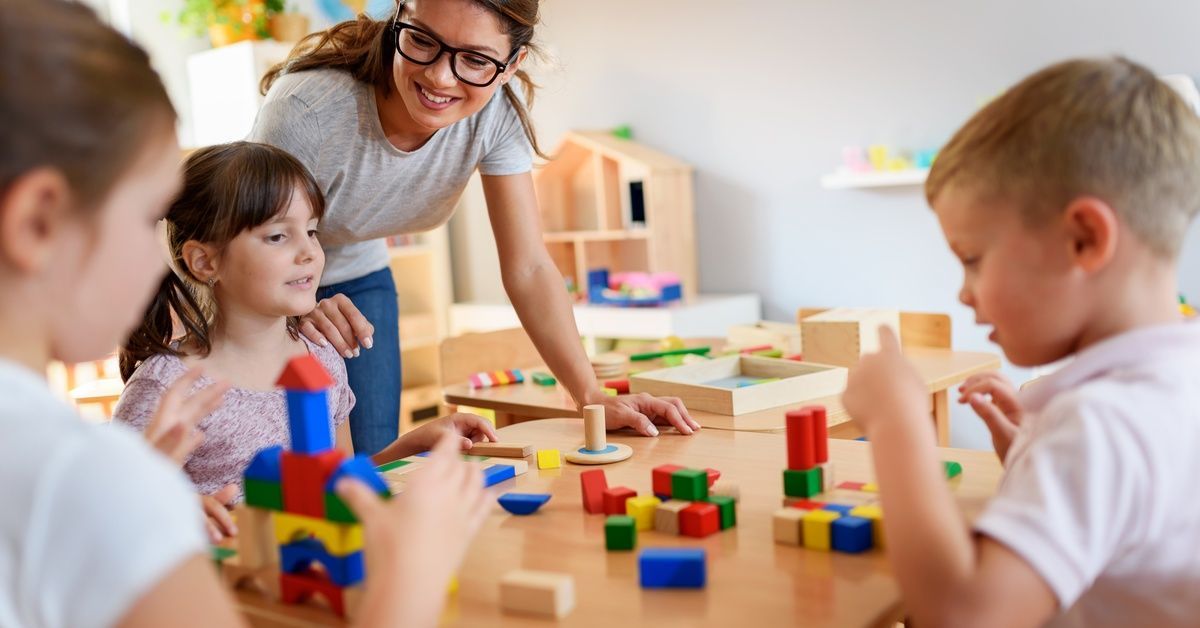
While peer modeling is effective on its own, structured support can strengthen its impact. Trained professionals can create opportunities that encourage interaction while supporting each child’s needs. This balance helps children feel both guided and comfortable.
Many families find that pairing peer modeling with Applied Behavior Analysis (ABA) supports communication growth even more. ABA focuses on breaking skills into manageable steps while reinforcing progress.
These structured environments often include:
- Guided group play with clear social goals
- Role-playing common social situations
- Consistent routines that encourage interaction
- Ongoing encouragement and reinforcement
Together, these approaches help children build communication skills they can use in everyday situations.
How Parents Can Encourage Peer Modeling at Home
You don’t need a formal program to begin using peer modeling strategies. Everyday moments can offer valuable opportunities for your child to observe and interact with others. Small, intentional steps can go a long way.
Consider creating opportunities such as:
- Arranging short, structured playdates with one or two peers
- Choosing activities with clear steps, like puzzles or simple games
- Modeling simple social language during shared activities
- Staying nearby to gently guide interactions when needed
Start in environments where your child feels comfortable. Many families find that when interactions feel predictable, children are more willing to participate and try new skills.
Progress may take time, and that’s okay. Every child is unique, and small steps can make a meaningful difference.
Building Stronger Connections Through Peer Learning
The benefits of peer modeling in autism learning go beyond individual skills. These experiences help children feel connected, supported, and more confident in social situations. Over time, these small interactions can lead to meaningful growth in communication, independence, and relationships.
You’re not alone in exploring ways to support your child. With the right guidance and consistent opportunities, many families find that peer-based learning helps their child move forward with greater confidence. If you’re looking for personalized support, HANDS Center for Autism offers assessments, parent training, and ABA therapy in North Carolina tailored to your child’s needs. Reach out to our team to learn how we can support your family every step of the way.