
Choosing Sensory-Friendly Clothing for Your Child
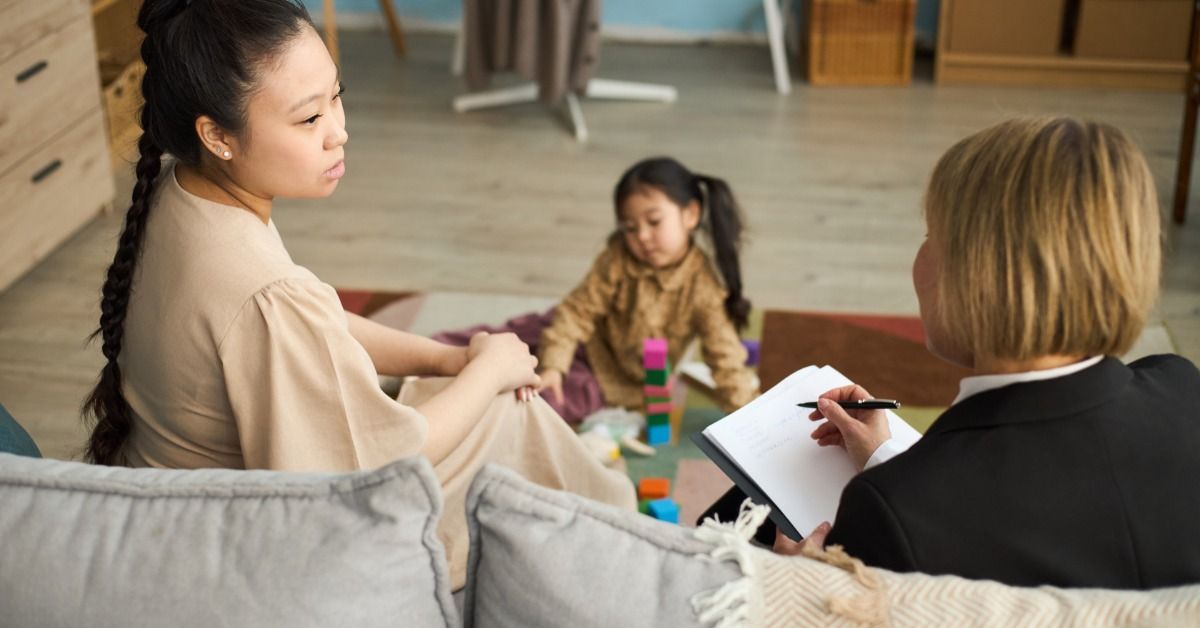
Finding the right clothing for your child with autism can feel incredibly overwhelming at times. Many parents notice that certain fabrics, seams, or tags can quickly turn getting dressed into a stressful experience. Finding sensory-friendly clothing for your child means looking beyond style and focusing on comfort, predictability, and your child’s unique needs. With the right support, daily routines like getting dressed can feel calmer and more manageable for both you and your child.
Understand How Sensory Sensitivities Affect Clothing
Children with autism often experience the world through heightened or reduced sensory input. This can make everyday clothing feel overwhelming, distracting, or even uncomfortable. What feels minor to you may feel constant and hard to ignore for your child.
You might notice your child refusing certain outfits, pulling at sleeves, or becoming upset when getting dressed. These reactions aren’t simply about behavior. They’re signals that something doesn’t feel right. Paying attention to these patterns helps you respond with more clarity and less guesswork.
When you start considering clothing choices through your child’s sensory experience, your approach naturally shifts. Instead of pushing through resistance, you can begin adjusting the environment for your child. That shift can ease tension and support more positive routines.
Choose Soft and Predictable Fabrics
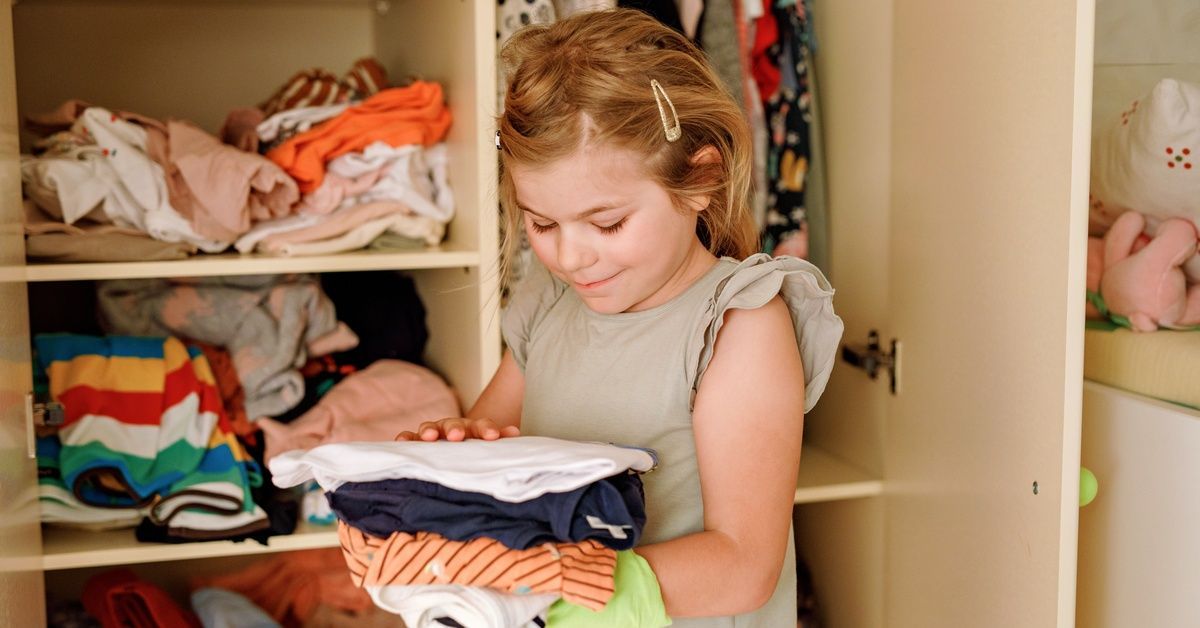
Fabric choice plays a major role in how clothing feels throughout the day. Many families find that soft, breathable materials help reduce discomfort and make dressing easier.
Natural fabrics like cotton tend to feel gentler on the skin and allow for airflow. Some children also prefer bamboo blends or other smooth materials that reduce friction. The goal is to avoid textures that feel rough, stiff, or inconsistent.
Just as important as softness is predictability. When your child already knows how a fabric feels, there’s less uncertainty. Sticking with a few trusted materials can make getting dressed feel more familiar and less stressful.
Identify and Reduce Common Clothing Triggers
Small details in clothing design can have a big impact on comfort. Once you identify common triggers, it becomes easier to choose pieces that work better for your child.
Common clothing triggers may include:
- Tags or labels that rub against the skin
- Thick seams or raised stitching
- Tight elastic bands around the waist or wrists
- Rough textures or decorative elements like sequins
- Clothing that feels too tight or too loose
Noticing these patterns helps you shop with more confidence. Instead of trial and error, you begin choosing items that already align with your child’s needs. Over time, this can make daily routines feel more predictable.
Focus on a Comfortable and Flexible Fit
Fit matters just as much as fabric. The way clothing sits on your child’s body can affect how secure or distracted they feel during the day.
Some children prefer loose clothing that allows for easy movement, while others feel more comfortable with a slightly snug fit. Watching how your child reacts after getting dressed can give you helpful clues. Frequent adjusting or attempts to remove clothing often point to discomfort.
Preferences may shift over time, so flexibility is important. Staying open to small changes helps you keep up with your child’s needs without adding pressure. Even simple adjustments can make a noticeable difference.
Build a Predictable Routine
Routines bring a sense of structure that many children with autism rely on. When dressing follows a familiar pattern, it often feels less overwhelming.
You can support this by laying out clothes ahead of time and following the same sequence each morning. Keeping steps consistent helps your child understand what comes next without needing constant reminders. Over time, this builds confidence and independence.
Visual supports can also help. A simple picture schedule showing each step of getting dressed gives your child a clear path to follow. When expectations are clear, mornings tend to feel smoother.
Involve Your Child in Clothing Choices
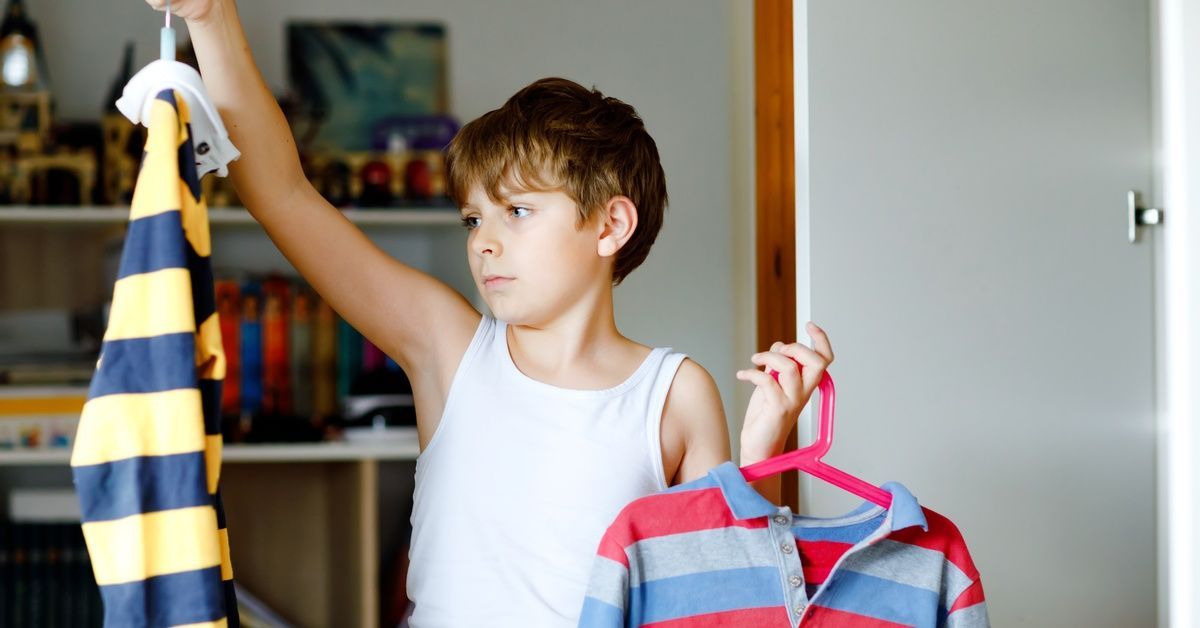
Giving your child a say in what they wear can reduce resistance and build cooperation. Even small choices help them feel more in control of their routine.
Offer a couple of options that you already know are sensory-friendly. This keeps things manageable while still allowing your child to express preferences. Over time, they may become more confident in communicating what feels right.
Many families notice that allowing their child to be part of the decision process changes the tone of the routine. When children feel heard, they’re more willing to participate. That sense of control can carry into other parts of the day as well.
Use Gradual Strategies To Introduce New Clothing
At times, your child may need to wear something unfamiliar, like seasonal clothing or a school outfit. Introducing new items gradually can help reduce resistance.
Start by letting your child explore the clothing with their hands before wearing it. Then practice short periods of your child wearing the new clothing at home before expecting them to wear it all day long. Pairing new items with preferred activities can also make the experience feel more positive.
Helpful strategies include:
- Washing new clothes multiple times to soften textures
- Introducing one new item at a time instead of a full outfit
- Allowing your child to remove the item if discomfort builds
- Keeping preferred clothing available as a backup option
These small steps can make unfamiliar clothing feel less overwhelming. Many families find that steady exposure works better than rushing the process.
Connect Clothing Routines To Daily Skill Building
Getting dressed is more than just part of the morning; it’s a chance to build independence. When clothing feels comfortable, your child can focus on learning the steps instead of managing discomfort.
Breaking down getting dressed into simple, repeatable actions helps your child understand what to do. With encouragement, they begin completing parts of the routine on their own. Over time, these small wins build confidence.
Support Comfort To Encourage Daily Growth
As you continue to find sensory-friendly clothing for your child, you may notice changes beyond getting dressed. When your child feels more comfortable, they often have more energy for learning, communication, and play. Small adjustments can open the door to smoother days.
Every child is different, and finding what works may take time. Some days will feel easier than others, and that’s part of the process. With patience and a steady approach, you can create routines that support your child’s comfort and confidence.
If you’re looking for extra support, HANDS Center for Autism is here to help. Our team offers personalized services, including Applied Behavior Analysis (ABA) therapy, autism assessments, and ABA training for parents. Reach out today to connect with professionals who understand your child’s needs and can help you build routines that work for your family.