

Understanding the Purpose of Repetitive Behaviors in Autism
Repetitive behaviors are one of the most recognizable characteristics of autism, yet they’re often misunderstood. If you’ve noticed your child repeating movements, sounds, or routines, it’s natural to wonder what it means and how to respond. Understanding the purpose of repetitive behaviors in autism can help you view these moments with a new perspective and respond in ways that truly support your child.
With the right support, these behaviors can offer meaningful insight into your child’s needs. Many families find that when they look more closely, these patterns point to ways they can support growth, confidence, and connection at home.
Recognizing Different Types of Repetitive Behaviors
Repetitive behaviors, sometimes called “stimming” (self-stimulatory behavior), can take many forms. Some are physical, while others show up in routines, play, or speech patterns. Every child is unique, so these behaviors may look different from one child to another.
It can help to think of these behaviors in a few general categories. Some are motor-based, like hand-flapping, rocking, or spinning. Others are object-focused, such as lining up toys or watching parts of objects repeatedly. You may also notice verbal repetition, like echoing phrases or repeating certain words.
There are also routine-based behaviors, where a child prefers doing things in a specific order or becomes upset when something changes. These patterns often create a sense of predictability and control.
It's also important to know that these behaviors can change over time. As your child matures, some stims may fade away naturally, while new ones may emerge. For example, a behavior like toe walking might disappear as your child grows, while they may develop other self-soothing patterns. This evolution is a normal part of development, and it reflects how your child's needs and coping strategies change as they grow.
These behaviors are not random. They often follow patterns and tend to appear in certain situations. When you begin to notice those patterns, it becomes easier to understand what your child may be trying to communicate.
Looking Beyond the Surface
Repetitive behaviors often serve a specific function for your child. Instead of viewing them as something to stop right away, it can help to ask what purpose they are fulfilling in that moment.
Many children use these behaviors to meet their needs, such as regulating their environment or expressing something they cannot yet say. These actions can be a form of communication, especially when language skills are still developing.
Common reasons children engage in repetitive behaviors include:
- Managing sensory input
- Expressing emotions that they cannot yet put into words
- Creating predictability in an uncertain environment
- Self-soothing during moments of stress or anxiety
- Staying focused or engaged in an activity
When you understand the “why,” your response can shift from stopping the behavior to supporting your child more effectively.
Exploring Sensory Needs and Regulation
Sensory processing plays a major role in many repetitive behaviors. Children with autism often experience sounds, textures, movement, and visual input differently from others.
Some children feel overwhelmed by everyday stimuli, while others seek out more sensory input. Repetitive actions can help balance these experiences and create a sense of regulation.
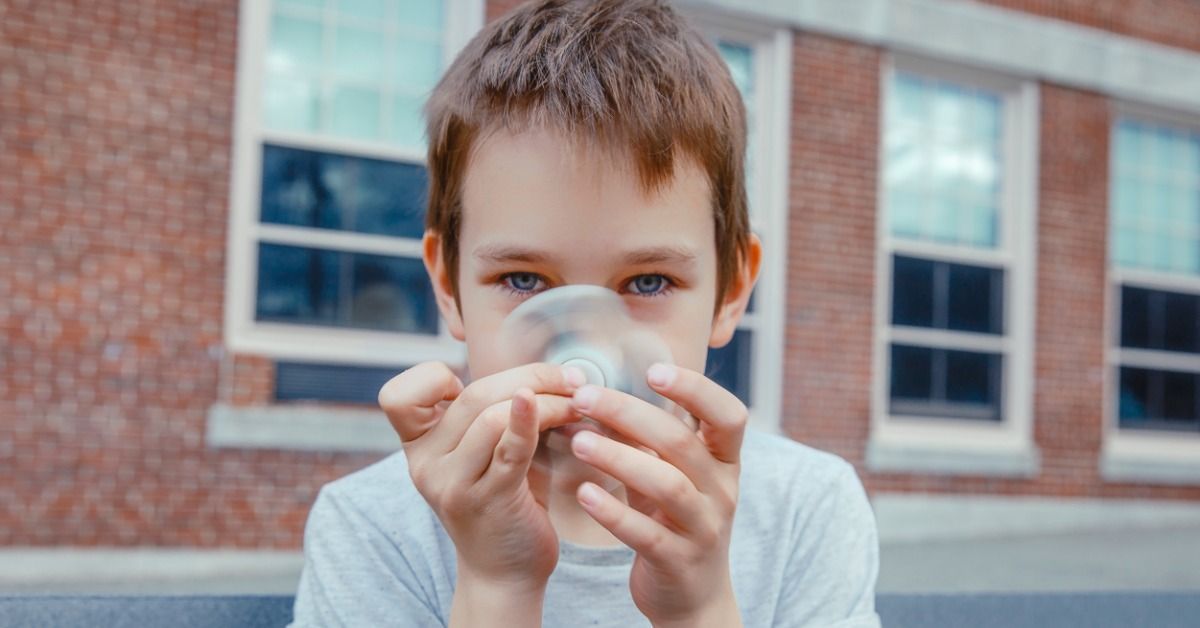
For example, rocking back and forth may help calm the body, while watching spinning objects can provide visual comfort. These behaviors act as tools your child uses to feel more settled in their environment.
You may start to notice patterns when you look closely at what happens before and after these behaviors. Does your child repeat movements in noisy environments? Do certain textures or transitions seem to trigger a response? Paying attention to these details can help you better understand what your child is experiencing.
Supporting Emotional Regulation With Compassion
Repetitive behaviors often increase during strong emotional moments. Whether your child feels excited, frustrated, anxious, or overwhelmed, these actions can help them cope with what they are experiencing.
You may also notice that stimming behaviors become more frequent or intense during particularly stressful times. Changes in routine, new environments, social situations, or other sources of stress can all lead to heightened repetitive behaviors. This is your child's way of managing extra sensory or emotional input during challenging periods.
Think of these behaviors as a built-in way your child manages big feelings. When they don’t yet have the words or strategies to express those emotions, repetition can offer relief and a sense of control.
Instead of immediately redirecting, it can help to pause and observe what your child might be feeling. This creates space for connection and allows you to respond with empathy and support.
Knowing When To Support or Gently Redirect
Here’s a guiding principle many families find helpful: never stop the stim unless it's unsafe or has become the only thing your child is doing or focusing on. Not all repetitive behaviors need to be changed. In many cases, they are harmless and helpful for your child’s self-regulation. The goal is not to eliminate them, but to understand when additional support may be needed.
You may consider stepping in if a behavior:
- Interferes with learning or daily routines
- Creates safety concerns
- Limits social interaction or participation
- Becomes the only way your child copes
When these situations arise, gentle redirection can help. You can suggest alternative activities that meet the same sensory or emotional need. Providing safe environments where your child can stim freely without risk gives them space to regulate while keeping them protected. Teaching self-soothing skills expands your child's options for managing big feelings and sensory input.
Creating Structure To Support Daily Comfort
Predictability can reduce the need for certain repetitive behaviors. When your child knows what to expect, it can ease uncertainty and lower stress throughout the day.
Simple strategies can help build that sense of structure:
- Use visual schedules to outline daily routines.
- Give advance notice before transitions.
- Keep responses consistent across caregivers.
- Break tasks into smaller, clear steps.
Many families find that when routines feel more predictable, their child feels more secure. That sense of stability supports emotional regulation and makes it easier to build new skills over time.
Building Skills With the Right Support
As you continue to learn more about your child’s repetitive behaviors, you may find that additional support can provide helpful direction. Professional guidance can focus on building new skills while respecting your child’s individual needs.
An autism therapy center can work with your family to better understand your child's patterns and create a personalized plan. One evidence-based approach that many families find helpful is Applied Behavior Analysis (ABA), which takes a structured yet individualized approach to skill-building. It focuses on breaking skills into manageable steps and reinforcing progress in a positive, structured way.
In practice, this might include identifying what triggers a behavior, what purpose it serves, and what alternative skills can meet the same need. For example, a child who repeats phrases to gain attention may be supported in learning new ways to communicate that need.

Finding Support That Meets Your Family’s Needs
Repetitive behaviors are not something to fear—they’re something to understand. They offer insight into how your child experiences the world and what helps them feel safe.
Every child develops at their own pace, and progress often happens in small, steady steps. Some days may feel easier than others, and that’s a normal part of growth. The good news is that you’re not alone in this. With the right support, many families find they feel more confident responding to their child’s needs and building daily routines that work.
HANDS Center for Autism offers personalized assessments, Applied Behavior Analysis (ABA) therapy, and parent training to support families navigating these challenges. If you’re looking for guidance, our team is here to provide practical strategies and compassionate support every step of the way.